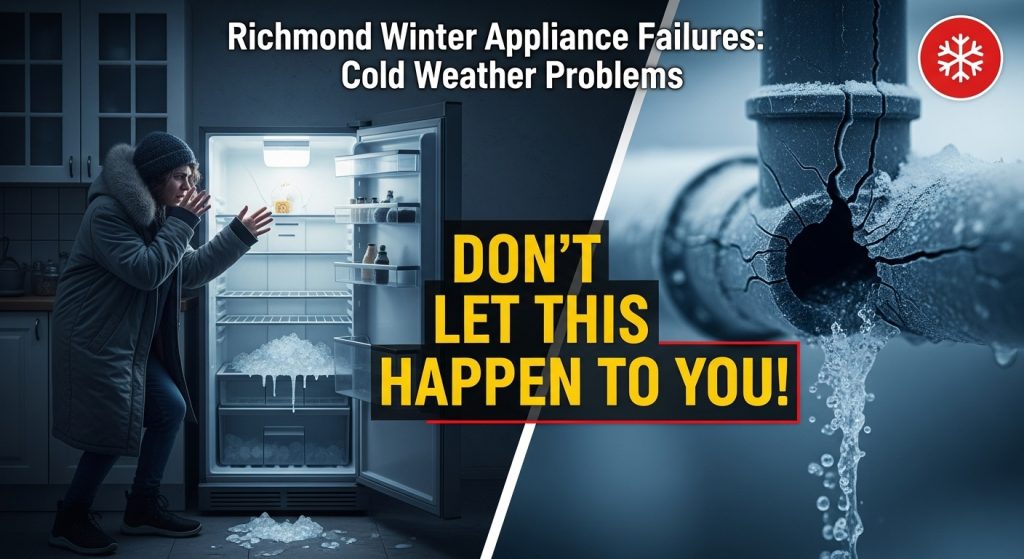
Tired of winter turning your reliable appliances into expensive paperweights? Join me as we explore the most common cold-weather appliance failures that Richmond homeowners face every year and discover practical solutions to keep your home running smoothly through the chilly months. Winter in Richmond brings more than just beautiful snow-covered landscapes and cozy evenings by the fireplace. The dropping temperatures and harsh weather conditions create the perfect storm for appliance failures that can leave you scrambling for solutions when you need your home systems most. From furnaces that refuse to ignite on the coldest nights to washing machines that freeze up in unheated basements, cold weather puts extra stress on every major appliance in your home. Understanding these seasonal challenges isn’t just about being prepared – it’s about protecting your investment and ensuring your family’s comfort throughout the winter months. Whether you’re a longtime resident in The Fan or recently moved to Church Hill, knowing what to expect from Richmond’s winter weather patterns can save you hundreds of dollars in emergency repairs and prevent those middle-of-the-night appliance disasters that nobody wants to deal with.
Key Outtakes:
- Cold temperatures cause appliances to work harder, leading to increased wear and higher failure rates during Richmond’s winter months
- Heating systems, water heaters, and washing machines are most vulnerable to winter-related problems due to temperature fluctuations and increased usage
- Power outages from ice storms and heavy snow can damage appliances through voltage spikes when electricity is restored
- Regular maintenance before winter hits can prevent up to 75% of cold-weather appliance failures
- Proper insulation and weatherproofing of utility areas significantly reduces the risk of freeze-related damage
Understanding Richmond’s Winter Impact on Home Appliances
 Richmond’s unique climate presents specific challenges for home appliances that many homeowners don’t fully appreciate until problems arise. Our winters typically bring temperatures that hover around freezing, creating freeze-thaw cycles that are particularly hard on appliances with water lines or outdoor components. Unlike areas with consistently cold temperatures, Richmond’s fluctuating winter weather means your appliances are constantly adjusting to changing conditions, which accelerates wear and tear on internal components. The combination of humidity from the James River and sudden temperature drops creates condensation issues that can wreak havoc on electrical components. When warm, moist air meets cold metal surfaces inside your appliances, moisture buildup can short-circuit control boards and corrode connections. This is especially problematic in neighborhoods like Forest Hill, where homes built near the river experience higher humidity levels year-round. Power grid stress during winter storms adds another layer of complexity to appliance reliability. Richmond’s electrical infrastructure faces significant challenges during ice storms, and the resulting power fluctuations can damage sensitive electronic components in modern appliances even before the power goes out completely.
Heating System Failures in Cold Weather
Moving from general winter challenges to specific appliance categories, heating systems bear the brunt of Richmond’s winter weather demands. Your furnace, heat pump, or boiler suddenly becomes the hardest-working appliance in your home, often running continuously during cold snaps to maintain comfortable indoor temperatures. This increased workload, combined with cold outdoor temperatures, creates multiple failure points that can leave you without heat when you need it most. 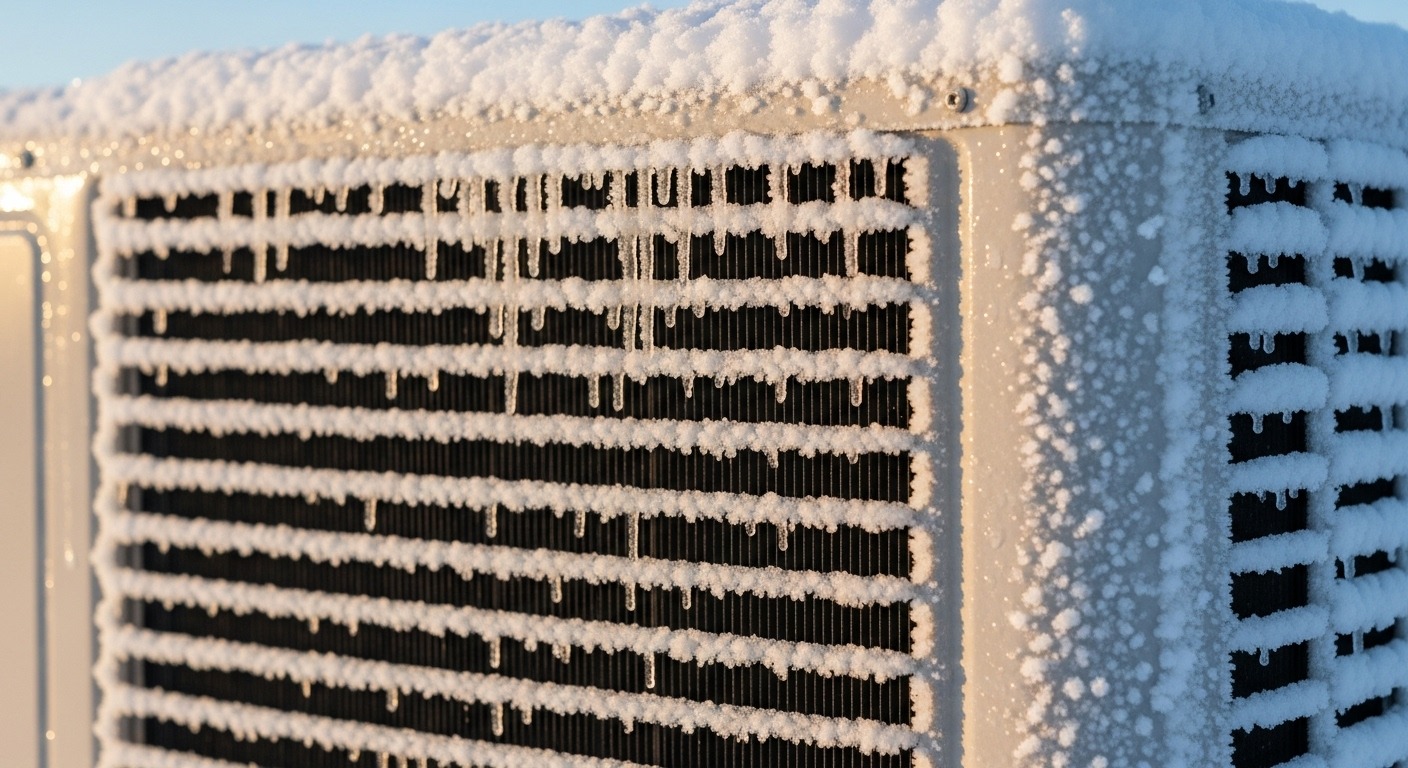 Furnaces face unique challenges when outdoor temperatures drop below freezing, particularly with condensate drainage systems that can freeze and block proper operation. Modern high-efficiency furnaces produce condensation as part of their normal operation, and this moisture must drain properly to prevent system shutdowns. When temperatures plummet, these drain lines can freeze solid, causing the furnace to shut down as a safety measure. Heat exchangers also become more susceptible to cracking when constantly cycling between heating and cooling phases, especially in older units that have accumulated years of thermal stress. Heat pumps struggle significantly in Richmond’s winter climate because they lose efficiency as outdoor temperatures drop. While these systems work well in moderate climates, they can become almost useless when temperatures fall below 25 degrees Fahrenheit. The outdoor unit’s coils ice over more frequently in cold weather, and the defrost cycle runs more often, reducing overall efficiency and increasing wear on components. Many homeowners in areas like Northside don’t realize their heat pump system has backup electric heating elements that automatically kick in during extreme cold, dramatically increasing electricity costs. Boiler systems, while generally more reliable in cold weather, face their own set of winter challenges. Water in the system can freeze if the boiler fails during extremely cold weather, potentially causing catastrophic damage to pipes and the boiler itself. Older boiler systems may struggle with increased demand, and pilot lights can be affected by drafts from poor weatherization around basement areas where these systems are typically located.
Water Heater Problems During Winter Months
The transition from heating system issues to water heater problems reveals another critical vulnerability in Richmond homes during winter. Water heaters work overtime during cold months as incoming water temperatures drop significantly, forcing the unit to work harder to reach desired hot water temperatures. Cold water entering your home in December might be 20-30 degrees colder than summer water, meaning your water heater uses substantially more energy and experiences increased stress on heating elements. Electric water heaters are particularly susceptible to element failure during winter months due to the increased workload. When heating elements work continuously to warm extremely cold incoming water, they’re more likely to burn out or develop hot spots that reduce efficiency. This creates a frustrating situation where you might have lukewarm water instead of hot water, especially during peak usage times when multiple family members need showers or when running dishwashers and washing machines simultaneously. Gas water heaters face ventilation challenges during winter that can cause safety shutdowns or poor combustion. Snow accumulation around exterior vents can block proper airflow, causing the unit to shut down or operate inefficiently. Ice formation in vent pipes is common during Richmond’s freeze-thaw cycles, and many homeowners don’t realize this can cause carbon monoxide issues if combustion air becomes restricted. The pilot light systems in older gas water heaters can also be affected by drafts from poor basement insulation or weatherization issues. Tankless water heaters, while generally more efficient, can freeze if installed in unconditioned spaces like garages or basements without proper freeze protection. These units have sophisticated freeze protection systems, but they require electricity to operate, making them vulnerable during power outages that often accompany winter storms in Richmond.
Washing Machine and Dryer Winter Challenges
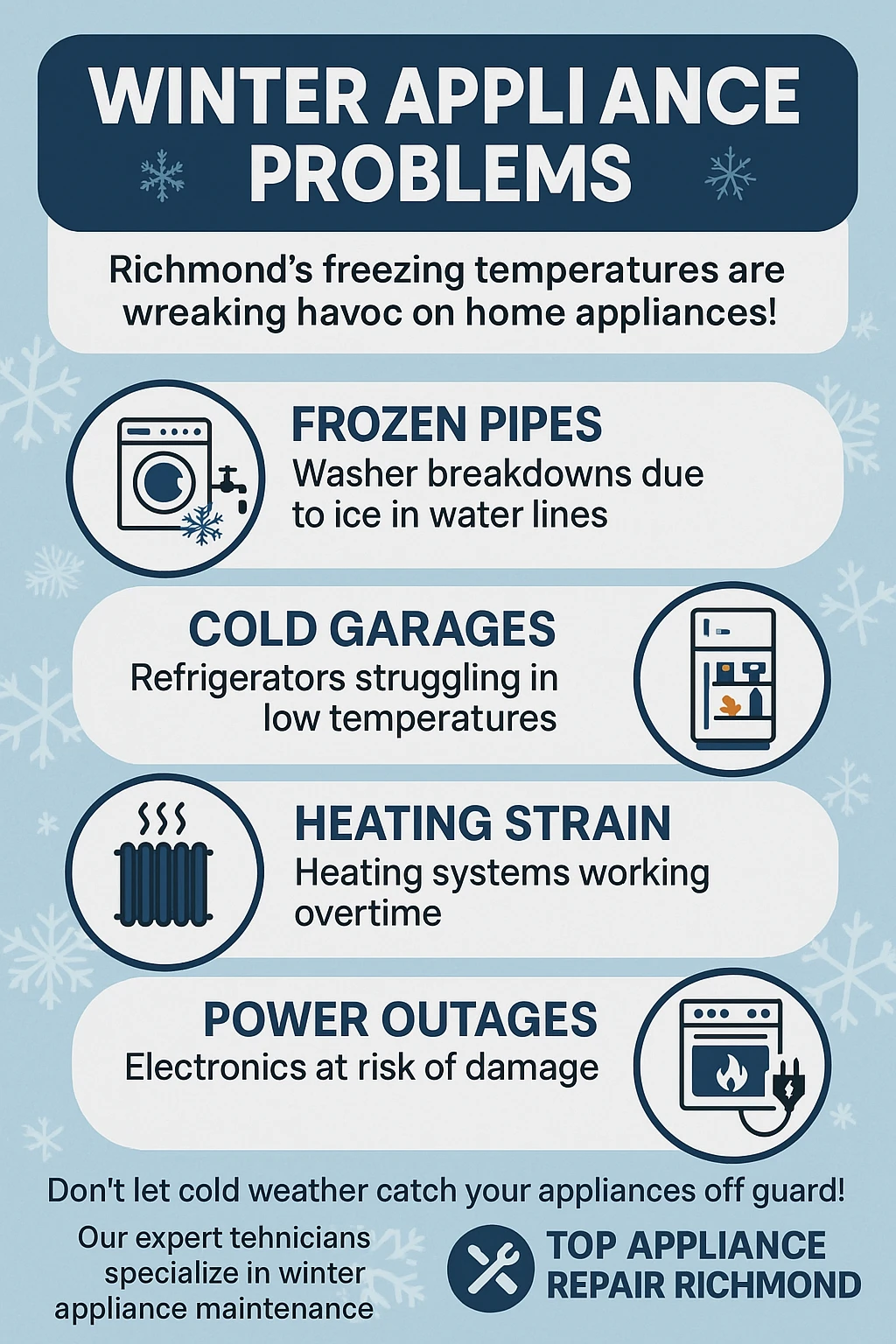
Building on water-related appliance issues, washing machines and dryers face distinct winter challenges that often catch Richmond homeowners off guard. Washing machines located in unheated basements, garages, or utility rooms are vulnerable to freezing, which can crack internal components and water lines. Even if the main living areas of your home stay warm, these auxiliary spaces can drop below freezing during extended cold spells, especially in older homes in neighborhoods like Oregon Hill where basements may lack adequate heating. 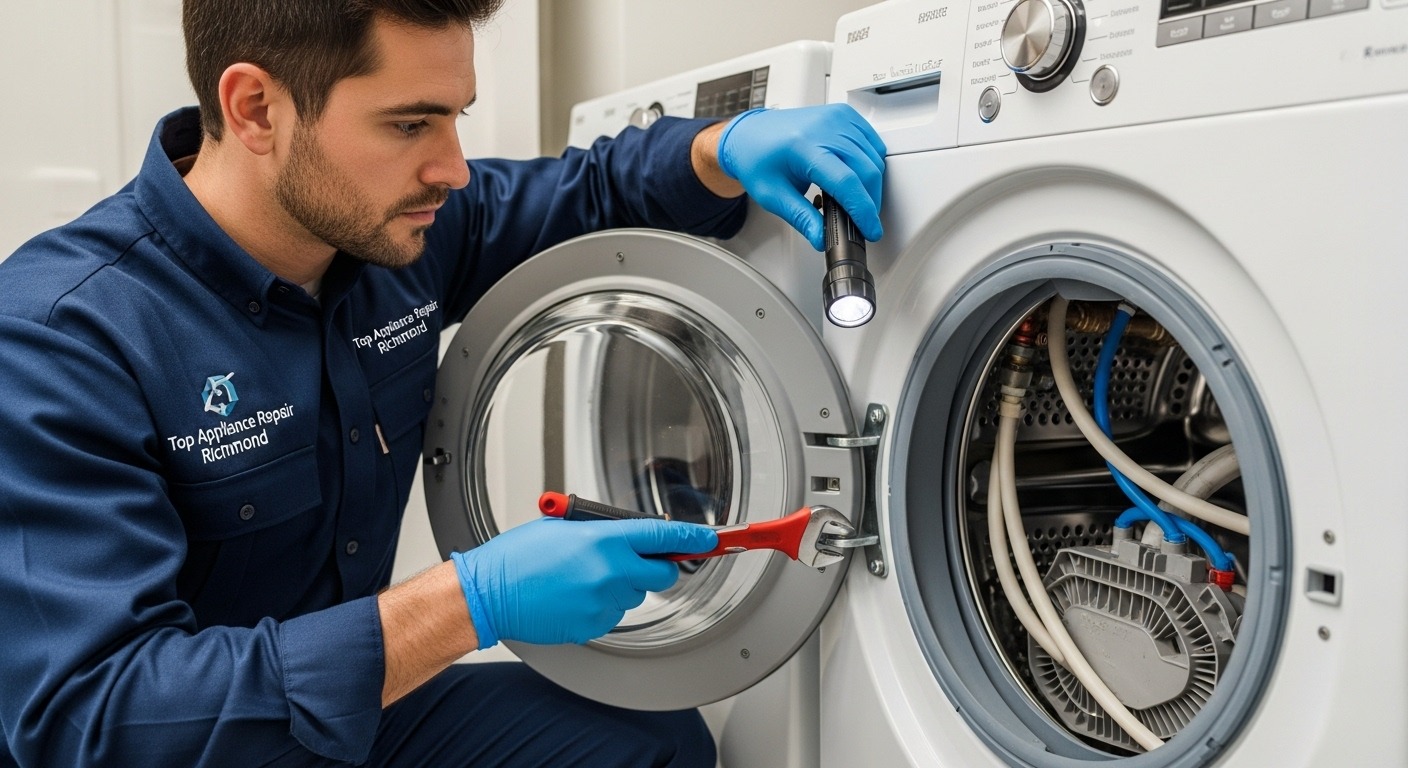 Water supply lines to washing machines are particularly vulnerable because they often run through exterior walls or unheated spaces before reaching the appliance. When these lines freeze, they can burst and cause significant water damage, but the more common problem is partial freezing that restricts water flow and forces the washing machine to work harder to fill properly. This increased strain on water inlet valves and pump systems can lead to premature failure of these components. Drainage systems for washing machines can also freeze, preventing proper water evacuation during drain cycles. When drain lines freeze, water backs up into the machine, creating error codes and preventing normal operation. This standing water can then freeze inside the machine itself, potentially cracking the outer tub or damaging internal seals and gaskets. Dryers face ventilation challenges during winter that can create dangerous conditions and reduce efficiency. Snow accumulation around exterior dryer vents is common during Richmond winters, and this blockage forces humid air back into the dryer, extending drying times and creating moisture problems. Ice can form in dryer vents during freeze-thaw cycles, completely blocking airflow and causing the dryer to overheat and shut down. Lint buildup becomes more problematic in winter because restricted airflow from ice or snow makes the dryer work harder, increasing fire risk from overheated lint deposits.
Refrigerator and Freezer Cold Weather Issues
Shifting focus to kitchen appliances reveals another category of winter-related problems that many Richmond residents don’t anticipate. Refrigerators and freezers actually struggle in cold environments, which seems counterintuitive but creates real performance issues. When ambient temperatures in garages, basements, or poorly heated utility rooms drop below 60 degrees Fahrenheit, most standard refrigerators begin to malfunction because their compressors aren’t designed to operate in cold conditions. Garage-located refrigerators and freezers are particularly problematic during Richmond winters because these spaces often aren’t heated and can approach outdoor temperatures during cold snaps. Compressor oil thickens in cold temperatures, making it harder for the compressor to start and run efficiently. This increased strain can lead to compressor failure, which is often a total loss situation requiring complete appliance replacement. Additionally, the temperature control systems in most refrigerators assume they’re operating in normal indoor temperatures and can’t compensate properly for extreme cold conditions. Condensation becomes a major issue when refrigerators operate in cold, humid environments typical of Richmond winters. Moisture forms on and inside the appliance, leading to ice buildup that blocks airflow and reduces efficiency. Interior components can freeze, preventing doors from sealing properly and causing temperature fluctuations that spoil food. Power outages during winter storms create additional problems because these appliances lose their temperature regulation just when outdoor conditions would normally help keep food cold. Freezers face the unique challenge of working harder to maintain consistent temperatures when room temperatures fluctuate dramatically. While you might think a freezer would benefit from cold ambient temperatures, most household freezers are designed to maintain specific temperature differentials and can actually struggle when external temperatures vary significantly from day to night, as often happens during Richmond’s variable winter weather.
Frequently Asked Questions
What temperature is too cold for appliances to operate safely?
Most household appliances are designed to operate in temperatures between 60-85 degrees Fahrenheit. When ambient temperatures drop below 50 degrees, refrigerators and freezers begin to struggle, while washing machines can experience freezing issues at 32 degrees or below. Heating appliances like furnaces and water heaters can operate in colder conditions but work much harder and are more prone to failure when outdoor temperatures drop below 20 degrees Fahrenheit.
How can I prevent my washing machine from freezing in an unheated basement?
The most effective prevention involves insulating water supply lines and ensuring adequate heat circulation to the basement area. Install foam pipe insulation on both hot and cold water lines, and consider adding a small space heater with a thermostat to maintain temperatures above 40 degrees. During extended cold periods, run a small amount of water through the machine daily to keep lines from freezing, and disconnect and drain water lines if you’ll be away from home for extended periods.
Why does my dryer take longer to dry clothes in winter?
Winter affects dryer efficiency in several ways, primarily through restricted airflow from ice or snow blocking exterior vents. Cold incoming air also reduces the dryer’s ability to heat effectively, while higher humidity levels from weather systems make clothes naturally more difficult to dry. Check and clear your exterior dryer vent regularly during winter, and ensure adequate ventilation around the appliance to improve performance.
Wrapping Up
Richmond’s unique winter climate creates specific challenges for home appliances that require proactive attention and regular maintenance to prevent costly failures. From heating systems struggling with increased demand to washing machines vulnerable to freezing in unheated spaces, understanding these seasonal risks helps you protect your investment and maintain home comfort throughout the coldest months. By recognizing early warning signs and implementing preventive measures, you can avoid most winter-related appliance emergencies and extend the life of your home’s essential systems. When winter appliance problems do arise despite your best prevention efforts, Top Appliance Repair Richmond stands ready to provide fast, reliable service throughout the Richmond area. Our experienced technicians understand the unique challenges that local weather conditions create for home appliances, and we’re equipped to handle everything from emergency heating repairs to complex diagnostic issues with modern appliances. Don’t let winter weather leave your family without essential home systems – contact us for professional appliance repair services that get your home back to normal quickly and efficiently.