Struggling to get your smart appliances talking to each other like a proper tech-savvy household? Dive into our comprehensive guide covering everything from initial setup hurdles to common repair issues that plague Richmond homeowners trying to create their dream connected home. Picture this: you walk into your kitchen after a long day, and your smart fridge has already ordered groceries based on what you’re missing, your oven has preheated to the perfect temperature for tonight’s dinner, and your dishwasher has run a cycle during off-peak energy hours. This isn’t some futuristic fantasy – it’s totally achievable with proper smart appliance integration right here in Richmond! But let’s be real, getting all these gadgets to play nice together can feel like herding digital cats, and when something goes wrong, you need local expertise to get back on track. The world of smart home technology has exploded in recent years, transforming how we interact with our everyday appliances. From refrigerators that can livestream their contents to your phone while you’re grocery shopping, to washers that text you when your laundry is done, these connected devices promise convenience and efficiency that previous generations could only dream about.
Key Outtakes:
- Smart appliance integration requires compatible communication protocols and strong Wi-Fi connectivity throughout your home
- Common setup issues include network connectivity problems, compatibility mismatches, and software synchronization failures
- Regular maintenance and prompt professional repair services are essential for keeping your connected appliances running smoothly
- Professional technicians with smart appliance expertise can diagnose both traditional mechanical issues and modern connectivity problems
- Richmond homeowners benefit from same-day repair services that understand both legacy and smart appliance technologies
Understanding Smart Appliance Integration Basics
Smart appliance integration is essentially getting all your connected devices to communicate with each other through a central hub or network system. Think of it like creating a digital neighborhood where your appliances are all friendly neighbors who share information and coordinate their activities. The magic happens through various communication protocols like Wi-Fi, Zigbee, Z-Wave, or Bluetooth, each with their own strengths and quirks.  The foundation of any successful smart home setup starts with robust internet connectivity and a reliable router that can handle multiple device connections simultaneously. Your typical household might have anywhere from 10 to 50 connected devices competing for bandwidth, so having adequate network infrastructure is crucial. Most modern smart appliances require a consistent 2.4GHz Wi-Fi signal, though some newer models can utilize 5GHz for faster data transmission. One of the biggest game-changers in smart appliance integration is the ability to create automated routines and schedules that work around your lifestyle. Whether you’re in the Fan District rushing to work in the morning or coming home to Church Hill after a long day, your appliances can learn your patterns and adapt accordingly. However, this level of sophistication also means more potential points of failure when things go wrong.
Common Smart Appliance Setup Challenges
Getting started with smart appliance integration can feel overwhelming, especially when you’re dealing with devices from different manufacturers that seem to speak completely different digital languages. The most frequent headache Richmond homeowners face is the initial network setup process, where appliances refuse to connect to Wi-Fi or constantly drop their connection signals. 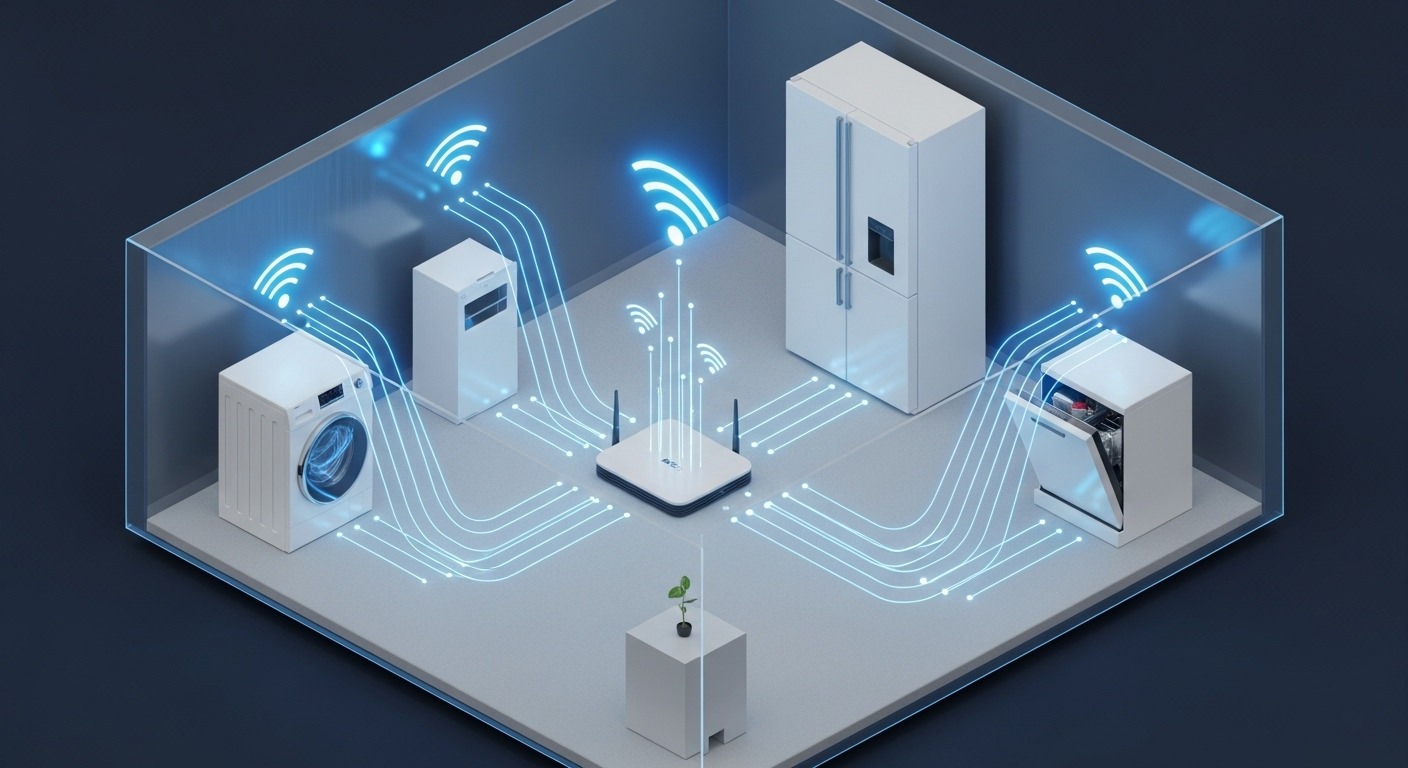 This often happens because many smart appliances are surprisingly picky about router settings and may struggle with certain security protocols or firewall configurations. Compatibility issues between different brands and models create another layer of complexity that can turn your dream smart kitchen into a frustrating puzzle. You might discover that your shiny new smart refrigerator from one manufacturer doesn’t want to communicate with your existing smart oven from another brand, even though both claim to be “universally compatible.” These integration problems often stem from different communication protocols or proprietary software systems that don’t play well together. Software updates and firmware compatibility represent yet another potential stumbling block in the smart appliance journey. Unlike traditional appliances that you could set and forget for years, smart devices require regular software updates to maintain security and functionality. Sometimes these updates can actually break existing integrations or change how devices communicate with each other. If you’re living in areas like Scott’s Addition where tech adoption is high, you might find that multiple devices updating simultaneously can overwhelm your network bandwidth and cause temporary communication failures.
Network Connectivity Solutions
Solving connectivity issues often starts with optimizing your home network setup and ensuring adequate coverage throughout your living space. Consider upgrading to a mesh router system if you’re dealing with dead zones or weak signals in certain areas of your home. Position your router centrally and away from interference sources like microwaves or baby monitors that operate on similar frequencies. Many smart appliances perform better when connected to a dedicated 2.4GHz network rather than a combined dual-band signal. You can often improve reliability by creating separate network names for each frequency band and manually connecting devices to the appropriate one. Regular router reboots and keeping firmware updated also help maintain stable connections for all your smart devices.
Professional Smart Appliance Repair Services
When your smart appliances start acting up, the repair process becomes significantly more complex than traditional appliance troubleshooting because technicians need to understand both mechanical and digital systems. Modern repair specialists must be equipped to diagnose everything from faulty sensors and connectivity modules to software glitches and communication protocol failures. 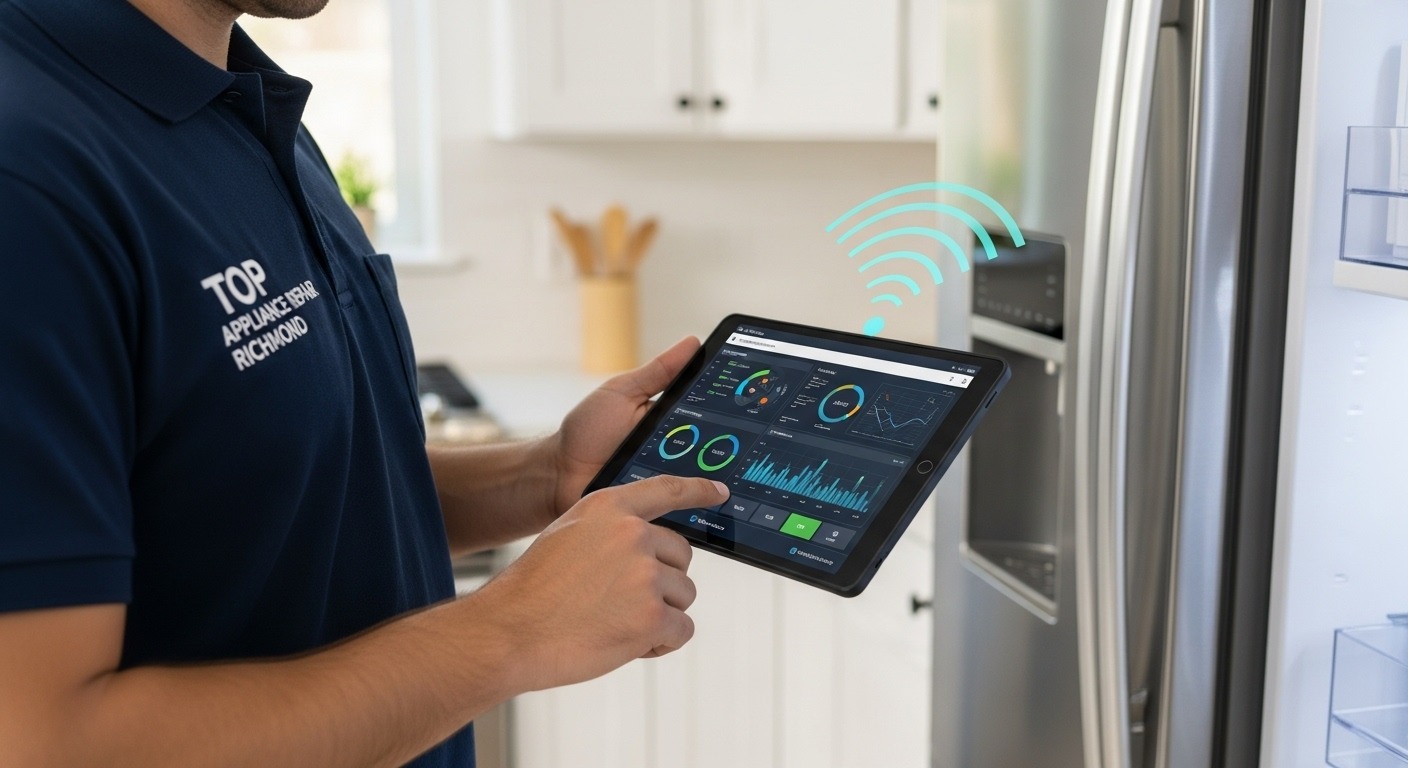 This dual expertise requirement means that not all appliance repair services are equipped to handle smart device issues effectively. Professional smart appliance repair involves comprehensive diagnostic procedures that examine both hardware components and software functionality. Experienced technicians use specialized diagnostic tools to test network connectivity, sensor accuracy, and communication protocols while also checking traditional mechanical components like motors, pumps, and heating elements. This thorough approach ensures that both the “smart” features and basic appliance functions are working properly. The complexity of smart appliances means that DIY troubleshooting attempts can often make problems worse by disrupting calibrated settings or damaging sensitive electronic components. Professional repair services have access to manufacturer-specific diagnostic software and replacement parts that aren’t available to consumers. They also understand the intricate relationships between different system components and can identify root causes that might not be obvious to untrained troubleshooters.
When to Call Professional Help
Recognizing when to call professional repair services can save you time, money, and frustration in the long run. If your smart appliance is displaying error codes, experiencing frequent connectivity drops, or failing to respond to app commands, these issues typically require professional diagnosis. Similarly, any problems involving gas connections, electrical components, or water line issues should always be handled by qualified technicians for safety reasons. Professional intervention becomes essential when multiple appliances are experiencing simultaneous problems or when basic troubleshooting steps haven’t resolved connectivity issues. Technicians can perform comprehensive network analysis to identify interference sources or configuration problems that might be affecting multiple devices. They can also update firmware, recalibrate sensors, and optimize network settings to prevent future problems.
Maintenance Tips for Smart Appliances
Preventive maintenance for smart appliances extends beyond traditional cleaning and basic upkeep to include digital hygiene practices that keep your connected devices running smoothly. Regular software updates are crucial for maintaining security, compatibility, and optimal performance, but they should be installed during low-usage periods to minimize disruption. Creating a maintenance schedule that includes both physical cleaning and digital updates helps ensure long-term reliability. Network maintenance plays a vital role in smart appliance performance and should include regular router reboots, Wi-Fi password updates, and periodic speed tests to ensure adequate bandwidth. Monitor your home network for new devices or interference sources that might affect appliance connectivity. Consider implementing Quality of Service (QoS) settings on your router to prioritize smart appliance traffic during peak usage times. Keeping detailed records of your smart appliances’ performance, including error codes, connectivity issues, and repair history, helps technicians diagnose problems more efficiently when professional service becomes necessary. Document any changes to your home network setup, software updates, or new device additions that might impact existing integrations. This information proves invaluable when troubleshooting complex connectivity issues or planning system upgrades.
Seasonal Maintenance Considerations
Different seasons can present unique challenges for smart appliances, particularly those with outdoor components or temperature-sensitive electronics. Summer heat can cause Wi-Fi range extenders and outdoor sensors to overheat, while winter humidity changes might affect touchscreen responsiveness or sensor accuracy. Seasonal maintenance should include checking ventilation around electronic components and protecting outdoor devices from extreme weather conditions. Power fluctuations during storm season can disrupt smart appliance calibration and communication settings, requiring reconfiguration after major weather events. Consider installing surge protectors specifically designed for smart devices and backup power solutions for critical appliances like smart security systems or medical equipment. Regular testing of backup systems ensures they’ll function when needed most.
Frequently Asked Questions
How do I know if my smart appliances are compatible with each other?
Compatibility between smart appliances depends on the communication protocols they use and whether they can connect through common smart home platforms like Google Home, Amazon Alexa, or Apple HomeKit. Check the product specifications for supported protocols such as Wi-Fi, Zigbee, Z-Wave, or Matter, and look for certifications from major platform providers. Most manufacturers provide compatibility lists on their websites that show which devices work together seamlessly.
What should I do if my smart appliance keeps disconnecting from Wi-Fi?
Frequent Wi-Fi disconnections usually indicate network issues such as weak signal strength, router overload, or interference from other devices. Start by checking the signal strength near your appliance and consider adding a Wi-Fi extender if needed. Ensure your router firmware is updated and try connecting the appliance to a dedicated 2.4GHz network if you’re using a dual-band setup. If problems persist, contact a professional technician who can perform comprehensive network diagnostics and appliance connectivity testing.
Can older appliances be upgraded to become smart appliances?
Some older appliances can be retrofitted with smart capabilities using add-on devices like smart plugs, sensors, or retrofit kits designed for specific appliance types. However, these solutions typically provide basic on/off control and monitoring rather than full integration with advanced features. The effectiveness of retrofitting depends on your appliance’s design and the specific smart features you want to add. Professional assessment can help determine whether retrofitting or replacement would be more cost-effective for your situation.
Wrapping Up
Smart appliance integration represents an exciting evolution in home technology, but it requires careful planning, proper setup, and ongoing maintenance to deliver the convenience and efficiency benefits you’re hoping for. When problems arise with your connected appliances, having access to professional repair services that understand both traditional mechanical systems and modern digital connectivity becomes essential for maintaining your smart home investment. At Top Appliance Repair Richmond, our experienced technicians specialize in both traditional and smart appliance repair services throughout the Richmond area. We understand the unique challenges that smart appliances present and have the diagnostic tools and expertise needed to get your connected home running smoothly again, whether you need same-day service or routine maintenance support.