Dealing with a broken appliance and wondering what your warranty actually covers in Richmond? We’ll break down everything you need to know about appliance warranty claims and help you navigate the coverage maze like a pro. Picture this: It’s Sunday morning, you’re making your famous pancakes for brunch, and suddenly your dishwasher decides to take an unscheduled vacation. Water everywhere, dishes piling up, and you’re standing there in your pajamas wondering if this nightmare is covered by your warranty. Trust me, I’ve been there, and it’s not fun. The good news is that understanding your appliance warranty coverage doesn’t have to feel like decoding ancient hieroglyphics. As a Richmond homeowner, you’ve got options when it comes to protecting your appliances, but knowing what’s actually covered can save you both time and money. Whether you’re dealing with a manufacturer’s warranty, an extended warranty, or a home warranty plan, each type of coverage has its own quirks and limitations.
Key Outtakes:
- Manufacturer warranties typically cover defects and parts for the first year, while extended warranties can extend coverage for several more years
- Home warranty plans cover normal wear and tear on older appliances, which manufacturer warranties usually exclude
- Most warranties require appliances to be in working condition and properly maintained before coverage begins
- Coverage varies significantly between different types of warranties, so understanding your specific plan details is crucial
- Some warranty providers have no deductibles or service call charges, while others may charge fees for each visit
Understanding Different Types of Appliance Warranties in Richmond
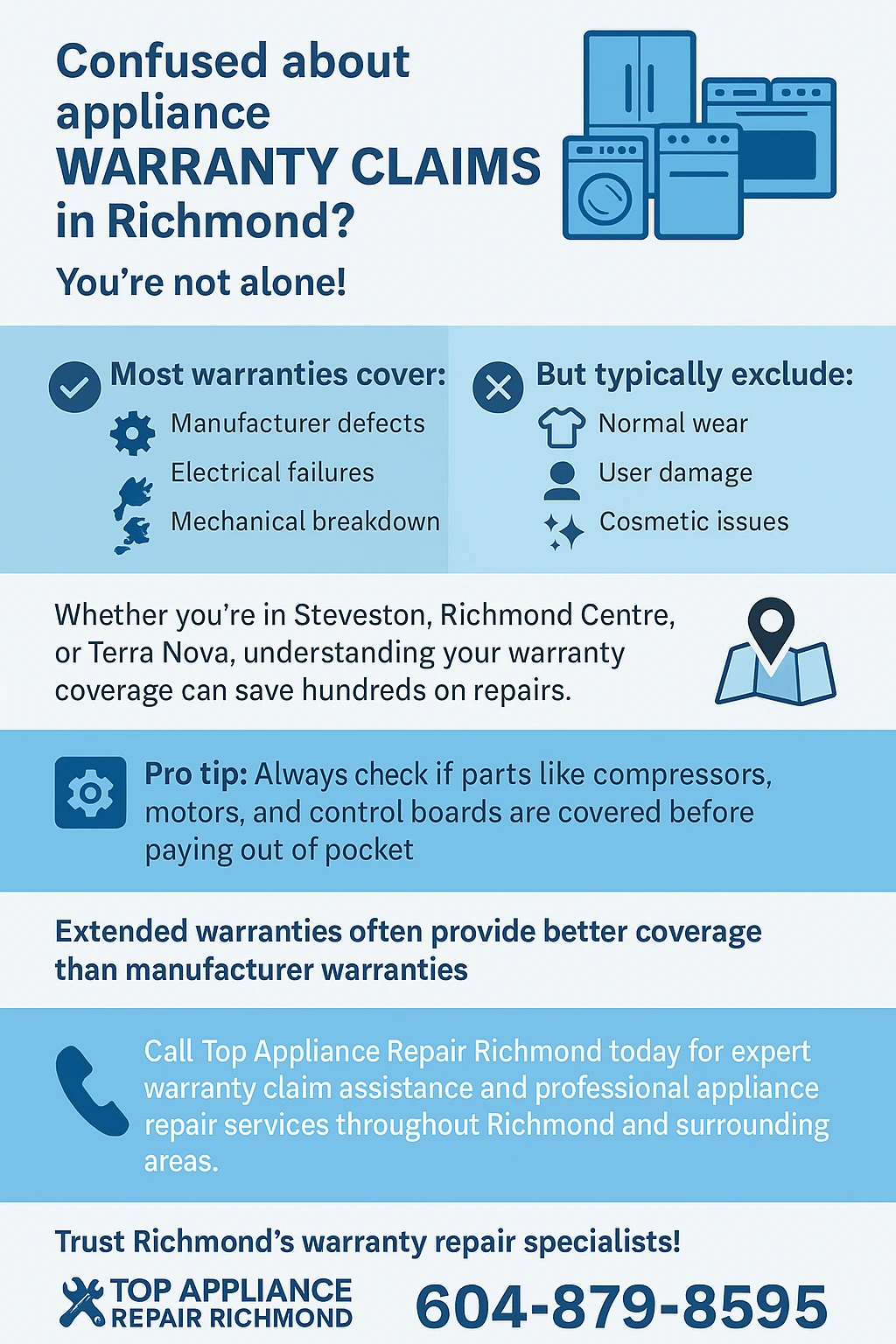
When your washing machine starts making that weird grinding noise that sounds like a coffee grinder having an existential crisis, the type of warranty you have determines your next steps. Most Richmond homeowners don’t realize there’s a huge difference between manufacturer warranties, extended warranties, and home warranty plans. Each serves a different purpose and covers different scenarios. Manufacturer warranties are like that friend who’s super reliable for the first year but then disappears when things get complicated. They typically cover defects in materials and workmanship for new appliances, usually lasting one year from purchase. These warranties are fantastic if your brand-new refrigerator decides to quit cooling or your dishwasher’s control panel starts speaking in tongues. Home warranty plans, on the other hand, are designed for the long haul and cover normal wear and tear that manufacturer warranties specifically exclude. Think of them as the steady, dependable friend who shows up when your 5-year-old dryer finally gives up the ghost. These plans protect items like your heating and cooling system, water heater, kitchen and laundry appliances, and even pool equipment.

What Repairs Are Typically Covered Under Warranty
Now here’s where things get interesting, and by interesting, I mean potentially frustrating if you don’t know the rules. The coverage details can vary dramatically depending on your warranty type and provider, but there are some general patterns that can help you set realistic expectations. Most comprehensive home warranty plans cover the guts of your appliances – we’re talking about protecting every part inside the appliance so you never have to wonder which components will be covered. This includes essential kitchen appliances like refrigerators, dishwashers, ranges, and built-in microwaves. Your laundry room warriors – washing machines and dryers – are typically covered too, along with garbage disposals and even some HVAC components. The beauty of many modern warranty plans is their simplicity. Some providers offer plans with no deductible or service call charges, which means you’re not hit with surprise fees every time you need service. When something breaks, you simply call for service, and a qualified contractor comes to assess and repair the issue. If repairs aren’t possible or cost-effective, many plans will arrange for replacement of the covered item. However, there are always exceptions and limitations. Pre-existing conditions are usually excluded, which is why most plans require your appliances to be in working condition and well-maintained before coverage begins. Cosmetic damage, normal maintenance items like filters and light bulbs, and issues caused by misuse or neglect typically won’t be covered.
When to Use Your Warranty Versus Calling Local Repair Services
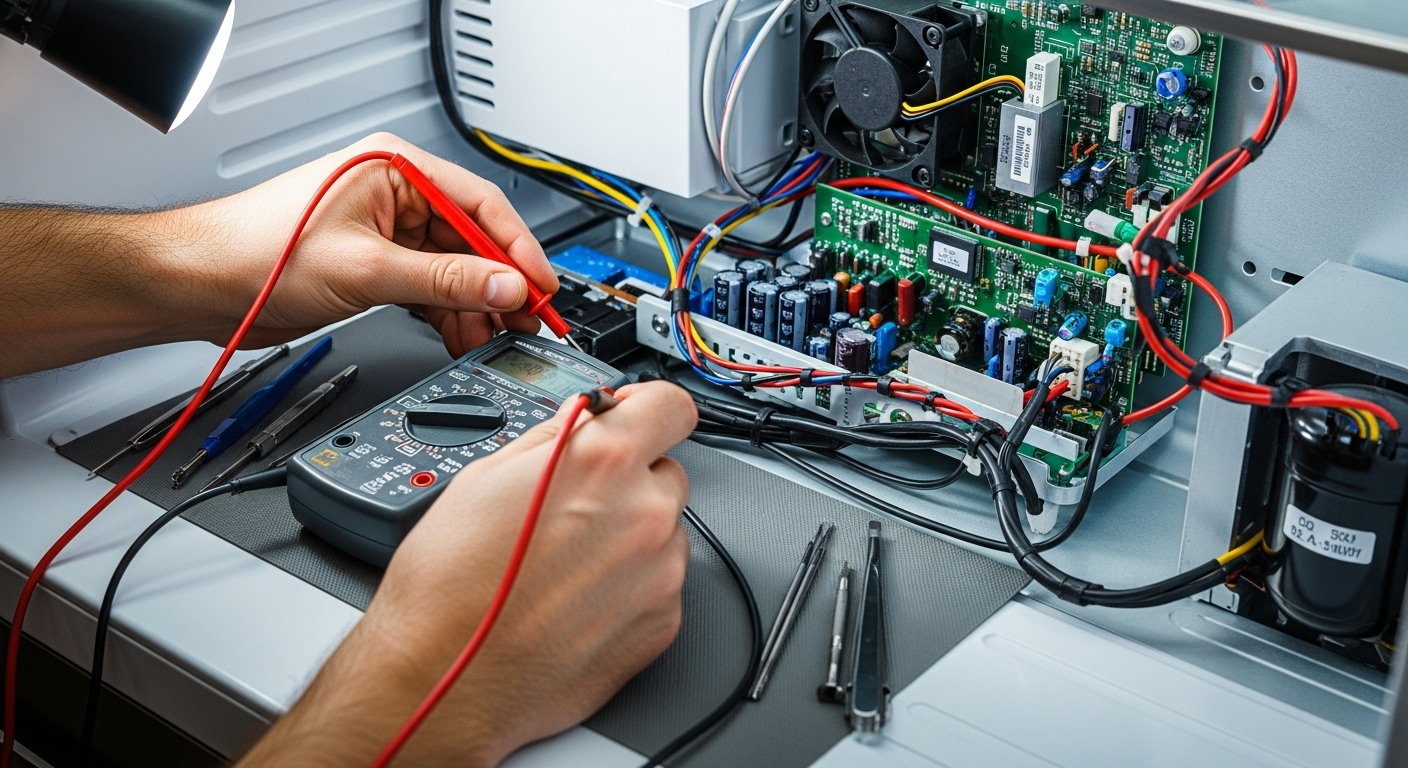
This is where strategy comes into play, and honestly, it’s something I wish someone had explained to me years ago when I was a new homeowner. The decision between using your warranty and calling a local repair service isn’t always black and white, and understanding the pros and cons can save you both time and frustration. You should definitely use your home warranty whenever a covered appliance or home system needs repair. Whether your refrigerator isn’t staying cold enough, your washing machine won’t drain, or your dishwasher is doing its impression of a modern art fountain, your warranty provider can schedule an appointment with a qualified contractor. The biggest advantage is that you don’t need to spend time researching and vetting repair companies – all the legwork is done for you. However, there are times when going with a local Richmond appliance repair service might be the smarter choice. If you need immediate service and warranty response times are slow, or if you have a preferred local technician who knows your appliances’ history, paying out of pocket might be worth it. Local services often provide faster response times and may offer more flexible scheduling options. The key is understanding your warranty’s typical response time and weighing that against the urgency of your repair needs. Some warranty companies pride themselves on quick service, while others may have longer wait times depending on contractor availability in your area.

Common Exclusions and Limitations in Richmond Warranty Plans
Let’s talk about the fine print – those sneaky little details that can turn your warranty victory into a paperwork nightmare. Understanding common exclusions can prevent that sinking feeling when you discover your specific issue isn’t covered after all. Most warranties won’t cover damage from power surges, floods, or other external factors that should be handled by your homeowner’s insurance. Pre-existing conditions are typically excluded, which is why many plans require a waiting period or inspection before coverage begins. Normal wear items like door seals, filters, and light bulbs are usually your responsibility, as are issues caused by improper installation or misuse. Age and maintenance requirements can also affect coverage. Some warranties have limits on the age of appliances they’ll cover, while others require proof of regular maintenance. If you haven’t been changing your HVAC filters or cleaning your dryer vents regularly, you might find yourself in a coverage gray area when problems arise. Another important consideration is replacement limits. Many warranties will replace appliances when repair costs exceed the replacement value, but the replacement may not be like-for-like. You might get a basic model to replace your high-end appliance, or you might receive a cash settlement based on the appliance’s depreciated value rather than its original cost.
How to File a Warranty Claim Successfully
Filing a warranty claim doesn’t have to be as painful as assembling IKEA furniture, but knowing the process can make everything go much smoother. Most modern warranty providers have streamlined their claim processes, but being prepared with the right information and documentation can prevent delays and frustration. The typical process starts with a simple phone call or online request. You’ll need basic information about the problem, the appliance involved, and when the issue started. Many providers now offer online portals where you can submit requests 24/7, which is incredibly convenient when your ice maker decides to flood your kitchen at midnight. Once you submit your claim, a qualified contractor will be assigned to assess the situation. They’ll confirm that the repair is covered under your warranty terms and complete any necessary work. If replacement is needed, the warranty provider will work with you to arrange for a suitable replacement according to your plan’s terms. Keep all your documentation, including purchase receipts, warranty agreements, and any communication with the warranty company, as these can be crucial if any disputes arise.
Frequently Asked Questions
How long does it typically take to get warranty service in Richmond?
Response times can vary significantly depending on your warranty provider and the availability of local contractors. Most reputable companies aim to schedule service within 24-48 hours of your call, though emergency situations may be handled more quickly. During peak seasons or when there’s high demand, you might experience longer wait times.
Can I choose my own repair technician with a warranty claim?
This depends entirely on your specific warranty plan. Some providers require you to use their network of pre-approved contractors, while others offer a “pick your own contractor” option that gives you more flexibility. The trade-off is often between convenience and control – using the warranty’s network is typically hassle-free, while choosing your own technician may require more paperwork but gives you more say in who works on your appliances.
What happens if my warranty company can’t fix my appliance?
If repairs aren’t possible or if the cost of repairs exceeds the replacement value, most warranty companies will arrange for a replacement. However, the replacement terms vary widely between providers. Some offer like-kind replacements, others provide cash settlements based on depreciated value, and some give you a credit toward purchasing a new appliance of your choice.
Wrapping Up
Understanding your appliance warranty coverage in Richmond doesn’t have to be overwhelming once you know what to look for and what questions to ask. The key is matching the right type of coverage to your specific needs and appliance ages, while keeping realistic expectations about response times and coverage limitations. When warranty claims aren’t the right fit for your situation, don’t hesitate to explore local repair options that might offer faster or more specialized service for your specific needs. If you’re dealing with appliance issues and want expert guidance on whether to pursue warranty claims or seek immediate repair services, Top Appliance Repair Richmond is here to help Richmond homeowners make informed decisions about their appliance repair needs and navigate the often confusing world of warranty coverage.