Richmond Appliance Noise Troubleshooting Guide
Hearing strange sounds from your refrigerator at 3 AM or wondering why your dishwasher sounds like it’s trying to take flight? We’ve got the ultimate guide to diagnosing those mysterious appliance noises and getting your Richmond home back to its peaceful state.
Living in Richmond means dealing with everything from HVAC systems working overtime during humid summers to washing machines that seem to develop their own personality over time. As someone who’s spent countless nights wondering if that weird humming was coming from the fridge or some mysterious kitchen gremlin, I totally get how frustrating appliance noises can be.
The thing is, most of these sounds are actually your appliances trying to tell you something important. Whether it’s a simple maintenance issue or a sign that you need professional help, learning to decode these audio clues can save you from middle-of-the-night panic sessions and potentially expensive repairs down the road.
Key Outtakes:
- Most appliance humming occurs at specific frequencies related to your electrical system’s 60 Hz power supply
- Kitchen appliances typically produce the loudest household noises, ranging from 40 to 90 decibels
- Many common appliance sounds indicate normal operation, while others signal maintenance needs or potential problems
- Simple troubleshooting steps can resolve many noise issues without professional intervention
- Knowing when to call for professional help can prevent minor issues from becoming major repairs
Understanding Why Appliances Make Similar Sounds
Have you ever noticed that your washer, dryer, microwave, and dishwasher all seem to hum at pretty much the same pitch? It’s not just your imagination – there’s actually some fascinating science behind this phenomenon that explains why appliances across different brands and ages often sound remarkably similar.
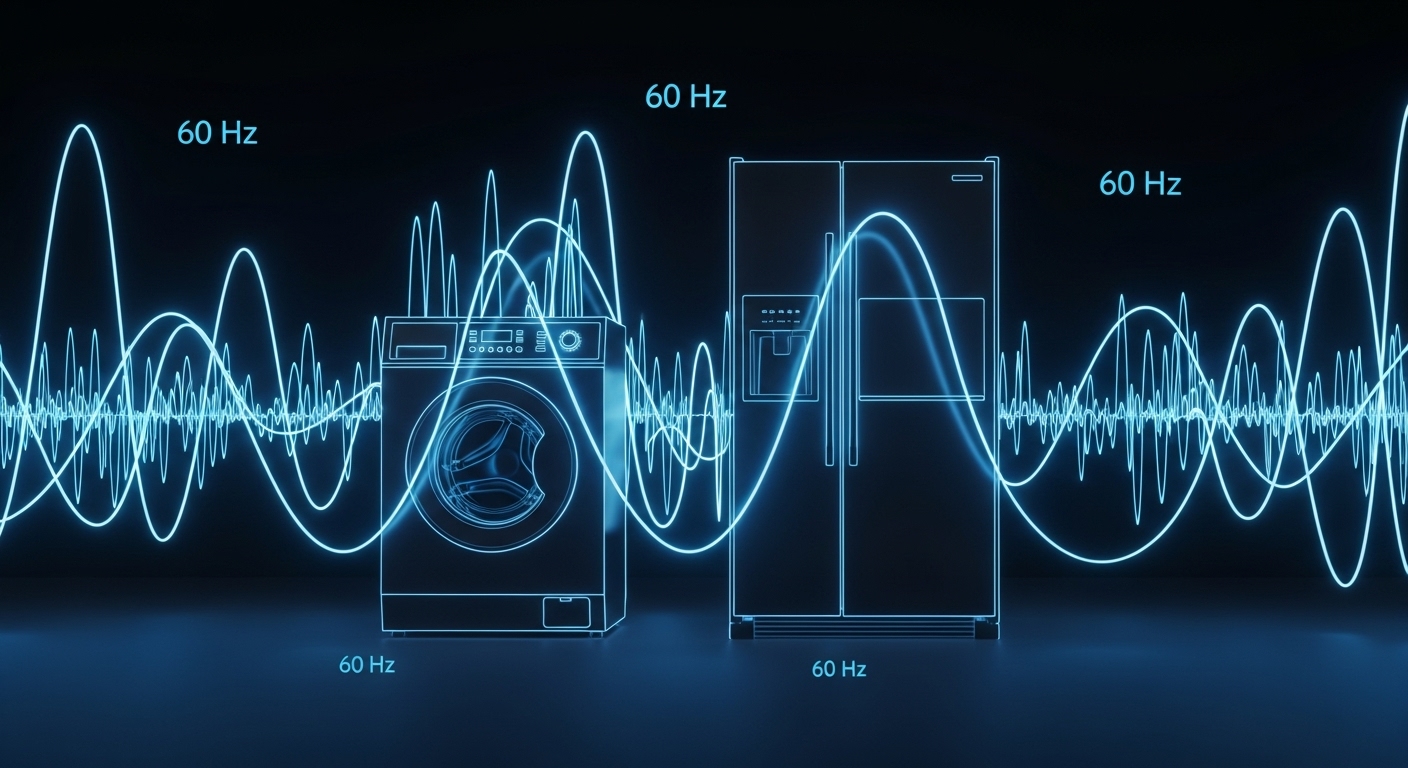
The secret lies in our electrical system. Your Richmond home runs on alternating current that switches direction 60 times per second, creating what’s called a 60 Hz frequency. This electrical rhythm becomes the baseline “tune” that many of your appliances naturally adopt when they’re running.
Think of it like this: if your electrical system is the conductor of an orchestra, all your appliances are playing instruments that naturally resonate with that conductor’s tempo. AC motors in your appliances operate at this same 60 Hz frequency, and components like transformers experience something called magnetostriction – basically, they vibrate slightly as magnetic fields pulse through them 60 times per second. This creates those familiar humming sounds that become the background soundtrack of modern home life.
Common Appliance Noise Categories and What They Mean
Now that we understand why appliances make noise in the first place, let’s break down the different types of sounds you’re likely hearing around your Richmond home. Not all appliance noises are created equal – some are perfectly normal, while others are your appliance’s way of crying for help.
Normal operational sounds include that gentle humming we just discussed, along with clicking from thermostats cycling on and off, water rushing through pipes during wash cycles, and the occasional settling sounds as components heat up and cool down. These are the sounds of appliances doing their job properly, kind of like how your car engine purrs when everything’s running smoothly.
On the flip side, concerning noises include grinding sounds (which usually indicate worn bearings or motor issues), loud banging or knocking (often pointing to loose parts or unbalanced loads), high-pitched squealing (typically worn belts or bearings), and any sudden changes in your appliance’s normal sound pattern. If your usually quiet dishwasher suddenly starts sounding like a garbage disposal, that’s definitely worth investigating.
Then there are those in-between sounds that might indicate maintenance needs. These include rattling from loose screws or panels, gurgling from drain issues, or intermittent clicking that’s more frequent than usual. Think of these as your appliance’s way of saying “hey, I could use a little TLC here.”
Kitchen Appliances: The Loudest Room in Your Home
Your kitchen is basically noise central when it comes to household appliances, with sound levels ranging from about 40 decibels (think library-quiet refrigerator) all the way up to 90 decibels (hello, garbage disposal and food processor). Understanding what’s normal for each appliance can help you spot problems before they become disasters.
Refrigerators are probably the most misunderstood noise makers in your kitchen. That periodic humming, clicking, and even occasional gurgling are all totally normal sounds of the compressor cycling, the defrost timer doing its thing, and refrigerant moving through the system. However, if your fridge starts making loud buzzing, knocking, or squealing sounds, it might be time to check if the condenser coils need cleaning or if the compressor is having issues.
Laundry Room Sound Management
Moving from the kitchen to the laundry room, washing machines and dryers have their own unique sound profiles that can tell you a lot about their health and performance. A properly functioning washing machine should have a relatively consistent sound during each cycle phase – gentle swishing during the wash, more vigorous agitation sounds during the cleaning cycle, and a steady hum during the spin cycle.
The key thing to listen for with washers is balance. If your machine starts doing the cha-cha across your laundry room floor or making loud banging sounds during the spin cycle, you’ve probably got an unbalanced load or, in older machines, worn shock absorbers. Dryers, on the other hand, should maintain a pretty steady rumbling sound with the occasional tumbling noise from your clothes.
Electrical System Influence on Appliance Sounds
Getting back to that electrical connection we touched on earlier, understanding how your home’s power system affects appliance noise can actually help you troubleshoot some issues and know what’s completely normal versus what might need attention.
Remember that 60 Hz frequency we talked about? Well, it’s not always perfectly clean power coming into your home. Sometimes you get what’s called “dirty” power, which includes voltage fluctuations and higher frequency contamination. The most common type is third harmonic distortion, which creates sounds at around 150 Hz – that’s actually between D3 and D# on a piano, if you’re musically inclined.
You might notice this especially with larger appliances or during peak usage times when your electrical system is working harder. If you’ve ever noticed your lights dimming slightly when the air conditioner kicks on, or heard a subtle change in your refrigerator’s hum during these times, that’s your electrical system and appliances having a little conversation about power demand.
Distribution transformers in your neighborhood can also contribute to the background electrical hum you might hear, especially if you live near power lines or utility equipment. This isn’t something you need to worry about from a safety standpoint, but it does explain some of those mysterious low-frequency sounds that seem to come from everywhere and nowhere at once.
When Electrical Issues Become Appliance Problems
Sometimes electrical problems in your Richmond home can actually cause your appliances to make unusual noises or operate less efficiently. Power fluctuations can cause motors to work harder, transformers to buzz more loudly, or electronic controls to behave erratically.
If you notice multiple appliances starting to sound different around the same time, or if the changes coincide with electrical work in your neighborhood, it might be worth having an electrician check your home’s power quality. Modern appliances are pretty resilient, but they do best with clean, consistent power.
DIY Troubleshooting Steps for Common Noise Issues
Before calling in the professionals, there are several troubleshooting steps you can take to address common appliance noise issues. Many times, what sounds like a major problem actually has a pretty simple solution that you can handle yourself with basic tools and a little patience.
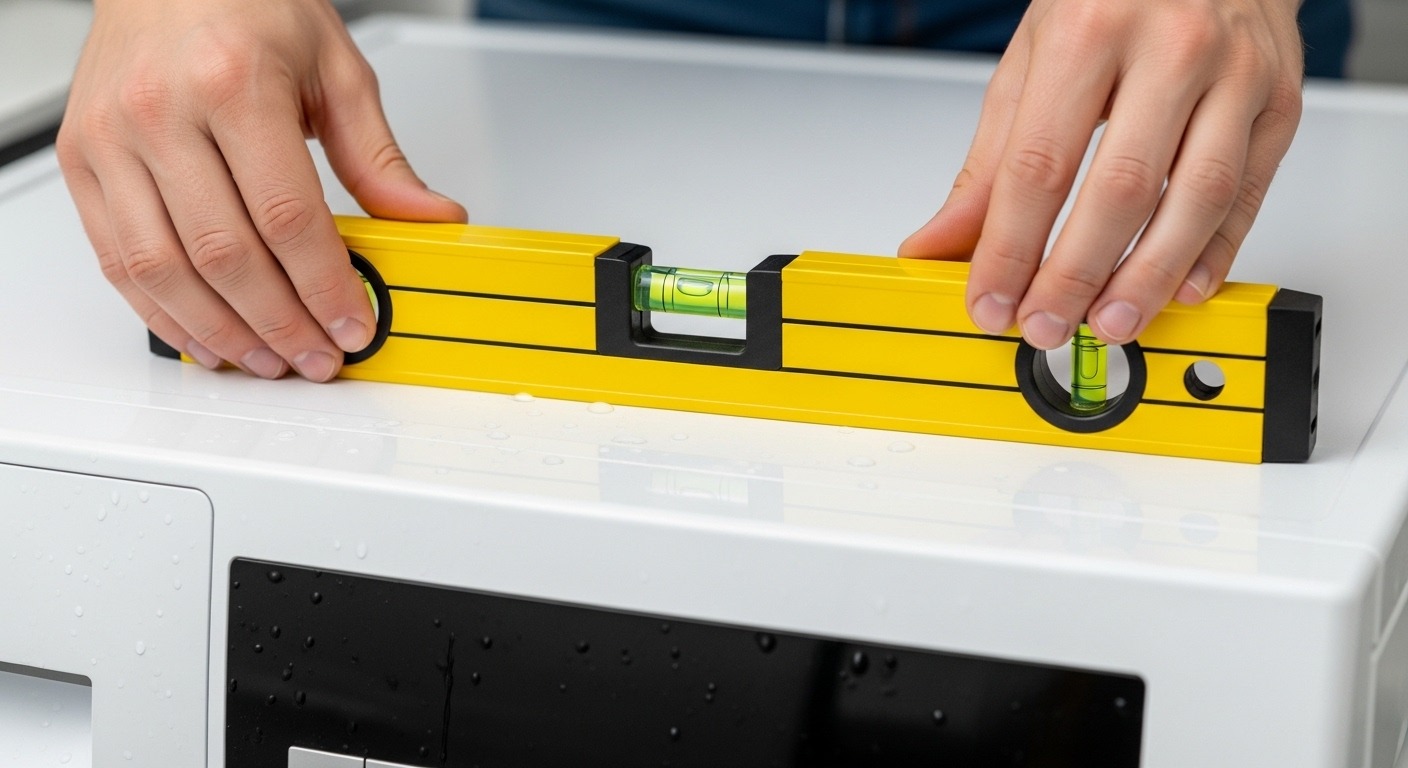
Start with the basics: check that your appliance is level and sitting on a solid, stable surface. You’d be amazed how many “broken” appliances just needed their feet adjusted or a xshim placed under one corner. For washing machines and dryers especially, being level is crucial for proper operation and noise control. Use a bubble level and adjust the feet accordingly – most appliances have adjustable legs specifically for this purpose.
Next, inspect for loose parts or debris. Turn off and unplug the appliance, then check for loose screws, panels, or components that might be rattling. Look for any obvious debris like coins in washing machines, food particles in dishwashers, or lint buildup in dryers. Sometimes a single loose screw can create a rattling sound that makes your appliance sound like it’s falling apart when it’s actually fine.
Clean what you can access safely. Dust buildup on refrigerator coils, lint in dryer vents, or grease on range hood filters can all cause appliances to work harder and make more noise than necessary. Regular cleaning is preventive maintenance that keeps your appliances running quietly and efficiently.
When to Stop and Call for Help
While DIY troubleshooting can solve many noise issues, it’s important to know when to stop and call for professional help. If you encounter any electrical components, gas connections, or internal mechanisms that require disassembly beyond basic access panels, that’s professional territory.
Similarly, if your troubleshooting reveals obvious mechanical damage, burning smells, or if the appliance stops working altogether during your investigation, it’s time to step back and get expert help. Safety should always be your top priority, and modern appliances are complex enough that some repairs really do require professional knowledge and tools.
Frequently Asked Questions
Why do all my appliances seem to hum at the same frequency?
Your appliances hum at similar frequencies because they’re all connected to the same electrical system, which operates at 60 Hz in North America. Many appliance components, especially AC motors and transformers, naturally operate at or near this frequency, creating that familiar humming sound. It’s completely normal and indicates that your appliances are synchronized with your home’s electrical system.
What noise levels should I be concerned about in my kitchen appliances?
Kitchen appliances typically range from 40-90 decibels, with refrigerators on the quieter end and food processors or garbage disposals on the louder end. You should be concerned if there’s a sudden change in your appliance’s normal sound pattern, or if you hear grinding, squealing, or loud banging sounds that weren’t there before. Consistent noise levels are generally fine, but dramatic changes often indicate problems.
When should I call a professional versus trying to fix appliance noise myself?
You can safely handle basic troubleshooting like leveling appliances, cleaning accessible parts, checking for loose screws, and removing obvious debris. However, call a professional if you need to access electrical components, disassemble internal mechanisms, or if you discover obvious damage during your investigation. Also call for help if the noise is accompanied by burning smells, sparks, or if the appliance stops working altogether.
Wrapping Up
Understanding your Richmond home’s appliance noises doesn’t have to be a mystery that keeps you up at night wondering if something’s about to break down. Most of those familiar hums, clicks, and whooshes are just the normal sounds of modern appliances doing their jobs, synchronized to your home’s electrical rhythm.
When you do encounter unusual noises, a systematic approach to troubleshooting can often resolve the issue quickly and save you money on unnecessary service calls. However, knowing when to call for professional help is just as important as knowing what you can handle yourself – and that’s where Top Appliance Repair Richmond comes in, offering expert diagnosis and repair services to keep your home running smoothly and quietly.