
Richmond Appliance Moving Damage: Safe Relocation Tips
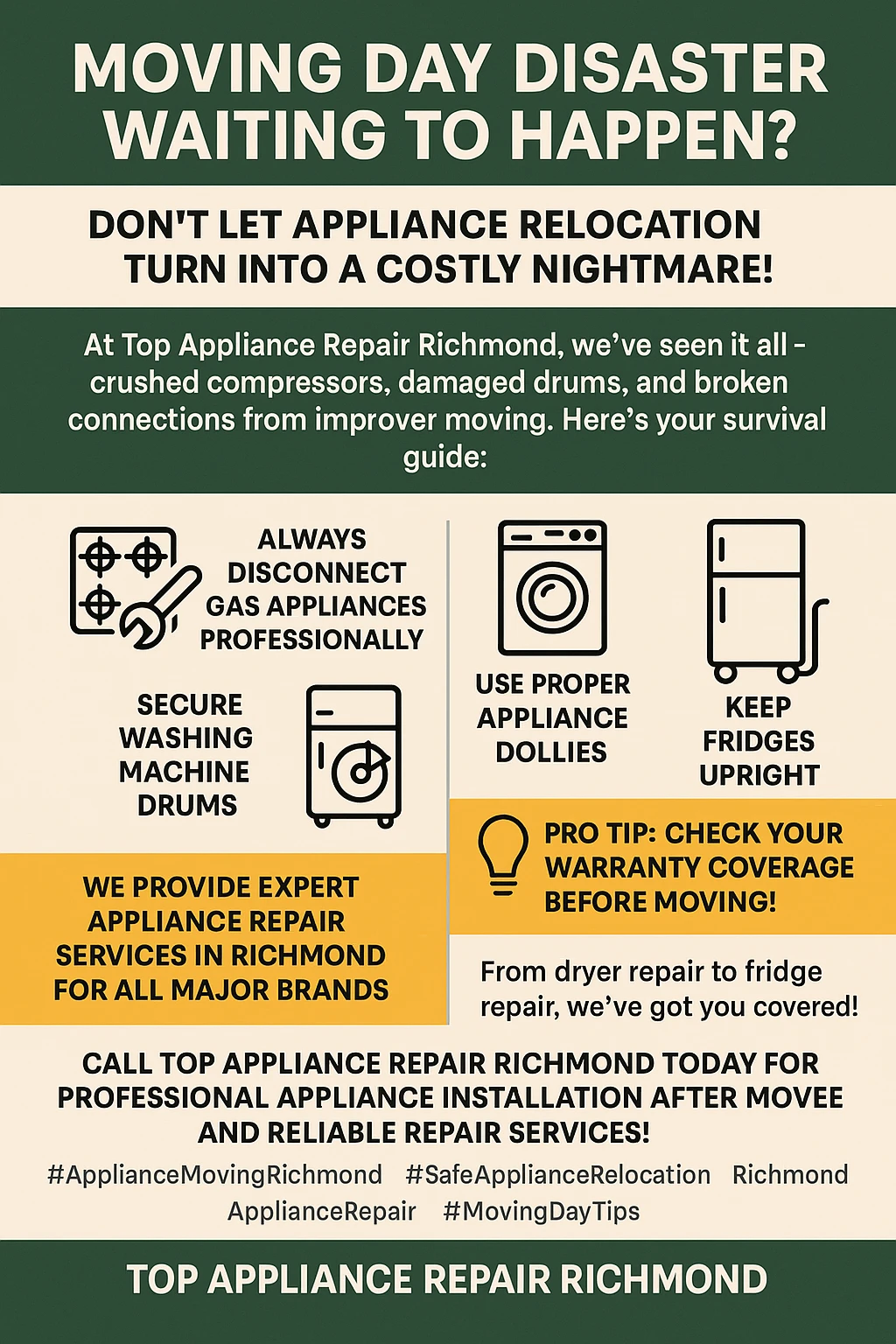
Moving day stress got you worried about your expensive appliances getting damaged during the relocation process? We’ve got your back with expert tips to keep your Richmond home’s major appliances safe and sound during any move, whether you’re relocating across town or just rearranging your space.
Picture this: you’re finally moving into that dream home in The Fan, and your brand-new refrigerator gets a massive dent from improper handling. Trust me, I’ve seen this nightmare scenario play out way too many times in Richmond neighborhoods. The thing is, appliance moving damage is totally preventable when you know the right techniques and take proper precautions.
Whether you’re relocating from Church Hill to Brookland Park or just moving appliances around your current space, understanding how to protect these expensive investments is crucial. Let’s dive into the essential strategies that’ll keep your appliances pristine and your wallet happy.
Key Outtakes:
- Proper preparation and disconnection procedures are essential before moving any major appliance
- Professional moving services with specialized equipment significantly reduce damage risks
- Refrigerators require 24-48 hours of defrosting and upright positioning during transport
- Floor protection and secure strapping prevent costly damage to both appliances and your home
- Post-move waiting periods and proper reinstallation ensure optimal appliance performance
Understanding Appliance Moving Risks
Here’s the reality check nobody wants to hear: moving appliances is basically like playing Jenga with thousand-dollar game pieces. These machines aren’t designed to be tossed around like furniture, and they have delicate internal components that can break if you look at them wrong. I learned this the hard way when helping my neighbor move her washing machine last year – one wrong angle and suddenly we had a $400 repair bill.
The most common types of damage I see in Richmond homes include dented exteriors from improper lifting techniques, broken internal components from excessive vibration, and cooling system damage in refrigerators from being tilted incorrectly. Water damage is another biggie, especially with washers and dishwashers that haven’t been properly drained. These aren’t just cosmetic issues either – we’re talking about functionality problems that can render your appliances completely useless.
Essential Pre-Move Preparation Steps
Before you even think about touching that appliance, you need to become best friends with your owner’s manual. I know, I know – nobody reads those things, but trust me on this one. Every appliance has specific preparation requirements that manufacturers include for a reason, and skipping these steps is like playing appliance roulette with your bank account.
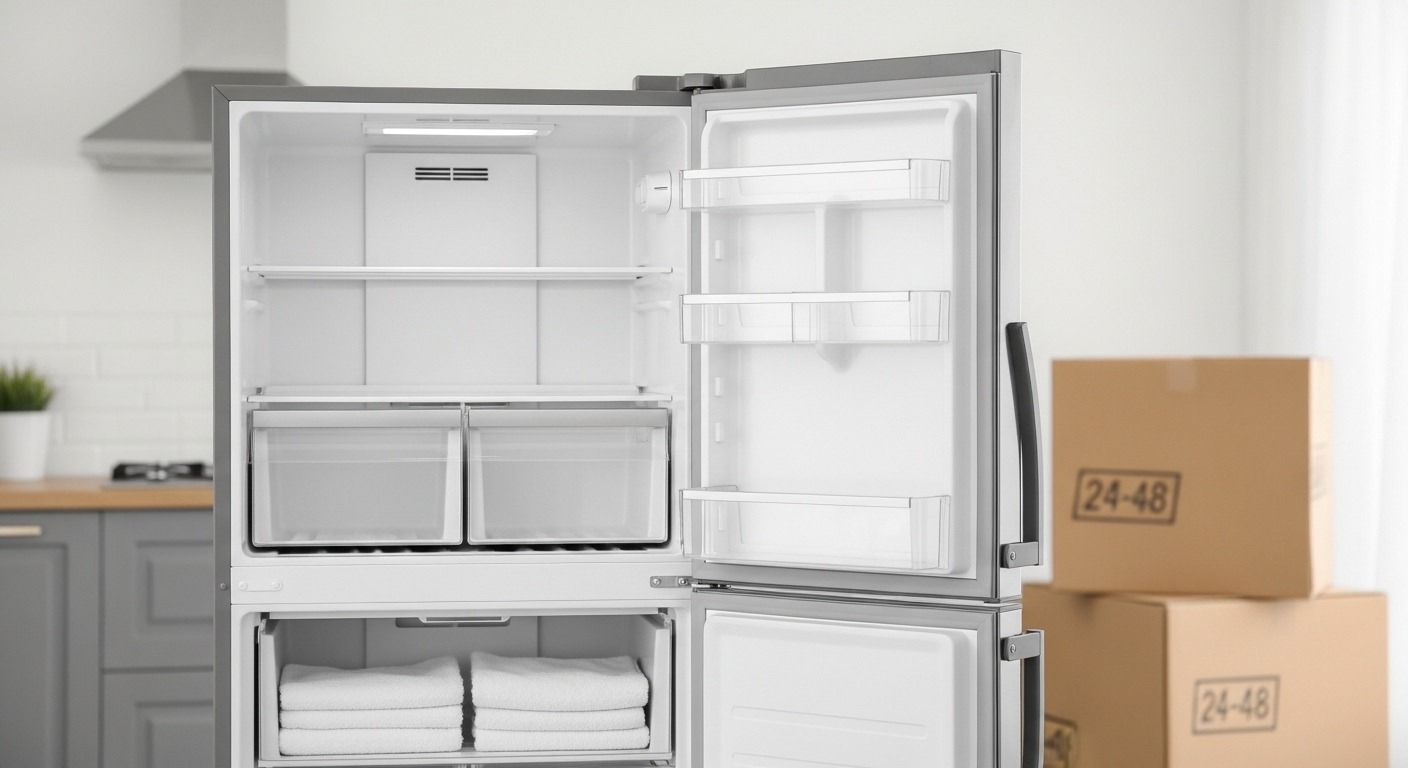
For refrigerators, you’re looking at a 24-48 hour defrosting period minimum. This isn’t just about avoiding a puddle mess – ice buildup can shift during transport and damage internal components. Remove all food, unplug the unit, and prop the doors open to let everything dry completely. I always recommend placing towels inside to absorb any remaining moisture because even small amounts of water can cause problems during the move.
Documentation and Photography
Take photos of everything before disconnecting – wire connections, hose positions, and the appliance’s current condition. This documentation becomes invaluable during reinstallation and helps with insurance claims if damage occurs. I’ve saved myself hours of troubleshooting just by having these reference photos available.
Safe Transport Techniques and Best Practices
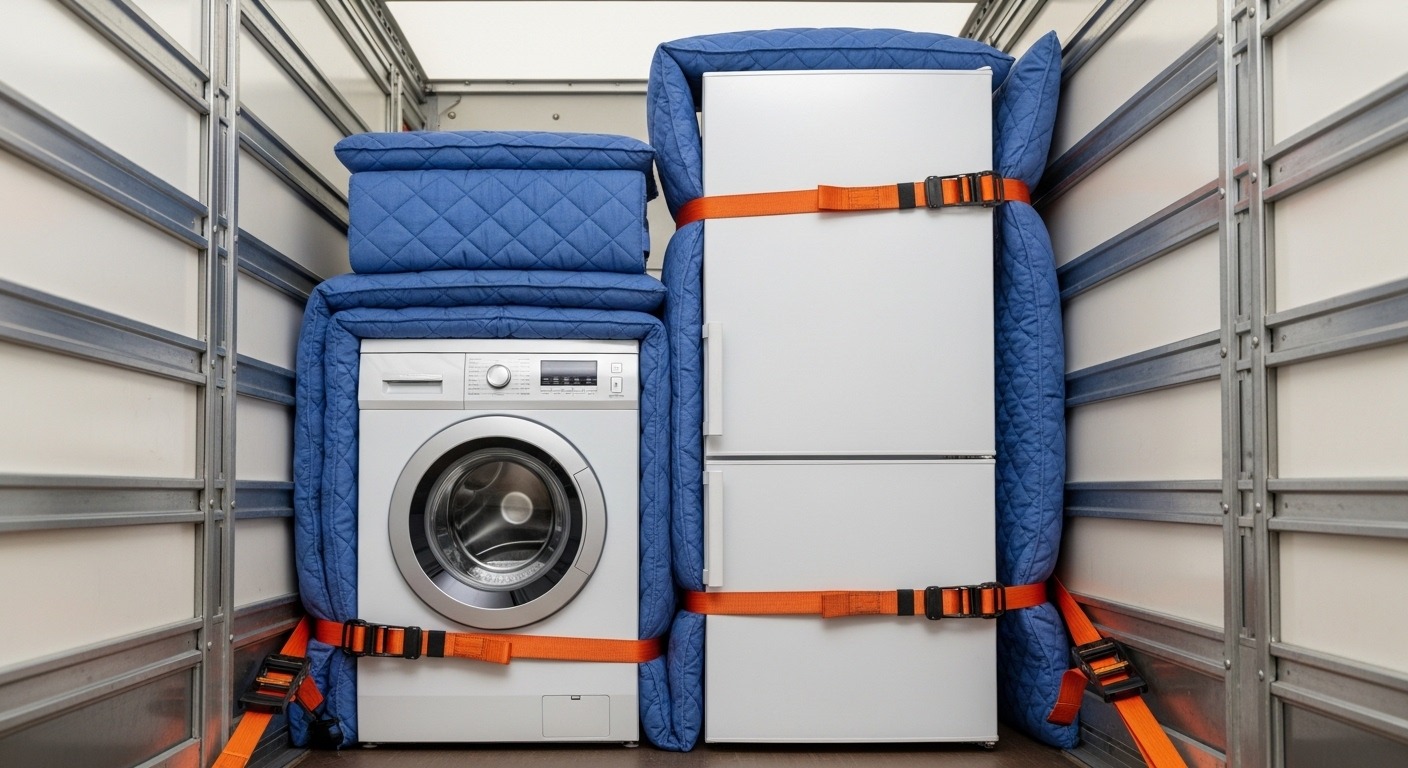
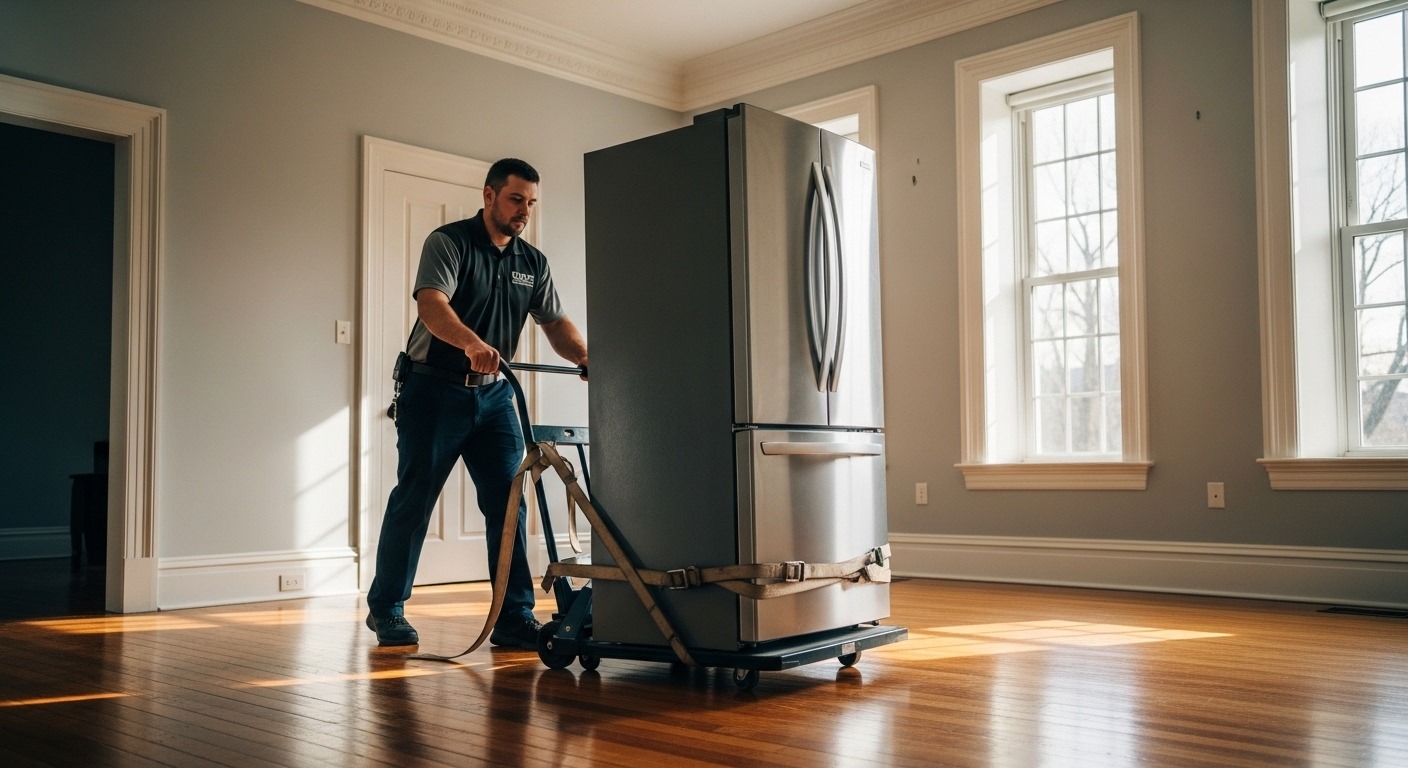
Now we’re getting to the meat and potatoes of appliance moving – the actual transport phase where most damage occurs. The golden rule is simple: keep everything as stable and upright as possible throughout the entire journey. This sounds obvious, but you’d be amazed how many people think tilting a refrigerator “just a little bit” won’t cause problems.
Floor protection is absolutely non-negotiable, especially in Richmond’s older homes where hardwood floors are common. Use furniture pads, cardboard, or specialized floor runners to create a clear path from the appliance to your exit door. I always lay out the entire route before moving anything because stopping mid-move to protect floors is asking for accidents. Secure all loose parts, tape doors shut, and remove any detachable components that could shift during transport.
Post-Move Installation and Setup
The move isn’t over once you get your appliances to their new home – proper installation and setup are crucial for preventing long-term problems. This is where patience becomes your best friend because rushing this phase can undo all your careful moving work. I’ve seen perfectly transported appliances fail within weeks because someone skipped the proper settling period.
Wrapping Up
Moving appliances safely requires careful planning, proper equipment, and patience throughout the entire process. Whether you choose professional movers or tackle the job yourself, following proper preparation and transport techniques will protect your valuable appliances from costly damage. If you’re dealing with appliance damage from a recent move or need expert installation services in the Richmond area, Top Appliance Repair Richmond is here to help.