Wondering if that rumbling refrigerator needs a quick fix or a complete replacement? Let’s dive into the real costs and smart strategies for making appliance decisions that’ll save you money and headaches in Richmond’s unique market. Picture this: you’re rushing to get dinner ready for the family when suddenly your oven starts making sounds like a dying robot. My neighbor in the Fan District went through this exact scenario last month, and her decision-making process was a masterclass in appliance economics. She ended up saving over $800 by understanding when repair makes sense versus when it’s time to wave goodbye to an old appliance. Living in Richmond means dealing with everything from historic homes in Church Hill with quirky electrical systems to newer builds in Short Pump with modern appliance expectations. The repair-versus-replace decision isn’t just about money – it’s about understanding your home’s needs, your appliance’s lifecycle, and the local repair landscape.
Key Outtakes:
- Use the 50% rule: if repairs cost more than half the price of a new appliance, consider replacement
- Appliance age matters significantly – most major appliances last 8-15 years with proper maintenance
- Richmond’s repair costs average $188, but can reach $400+ for complex or luxury appliances
- Energy efficiency improvements in newer models can offset replacement costs through utility savings
- Local repair availability and parts sourcing affect both timelines and total costs
Understanding Appliance Lifespans in Richmond Homes
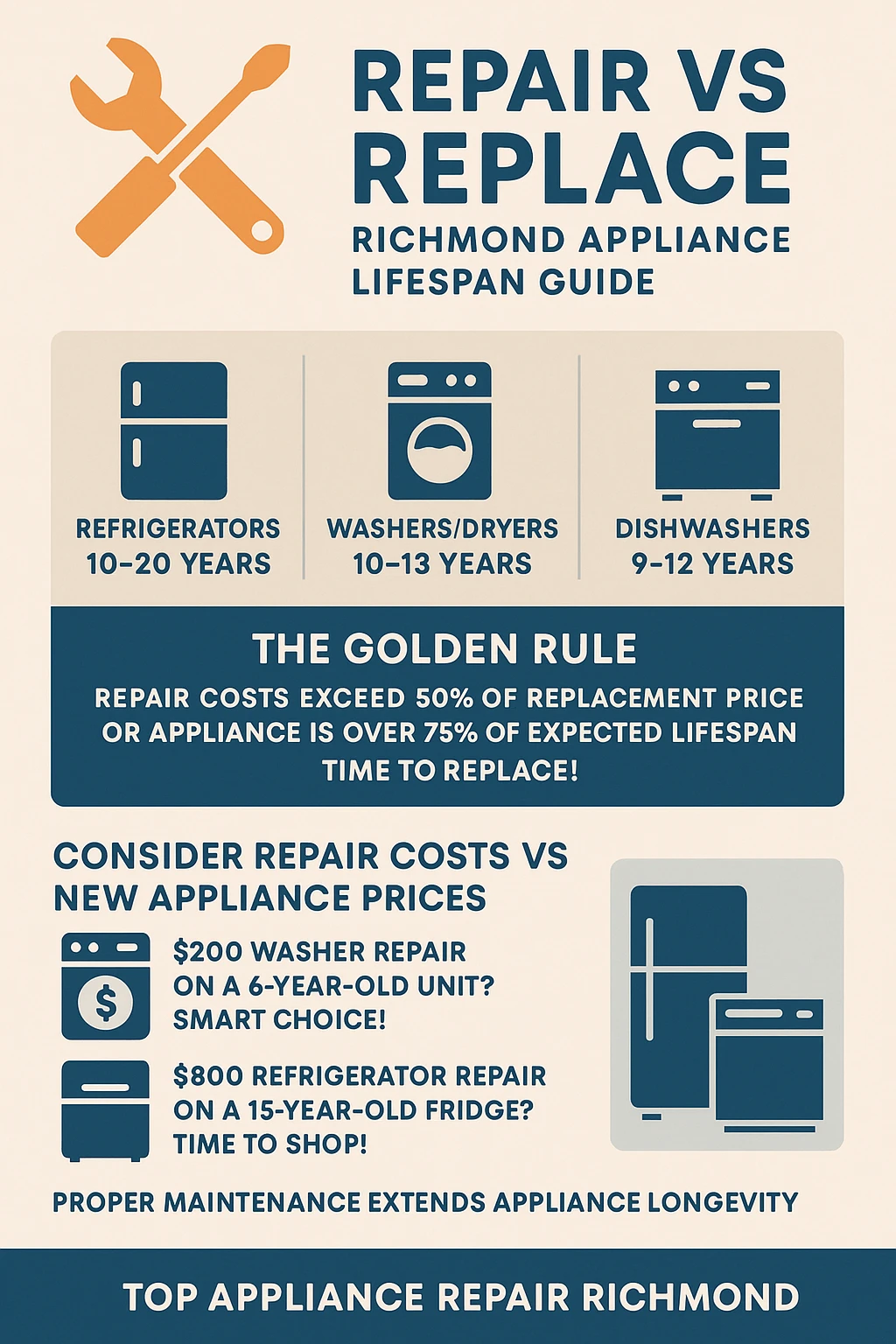
Every appliance comes with an invisible expiration date, and understanding these timelines helps you make smarter financial decisions. Richmond’s climate and local utility characteristics can actually impact how long your appliances last, especially units that work harder during our humid summers and variable winters. Most refrigerators soldier on for 10-13 years before major components start failing. Washing machines and dryers typically handle 9-13 years of faithful service, while dishwashers usually call it quits around the 8-10 year mark. Your gas range might surprise you by lasting 15+ years, especially if you’ve kept up with basic maintenance. The tricky part is that these are averages, and your mileage may vary dramatically. A well-maintained Whirlpool washer in a family of two might cruise past 15 years, while a heavily-used Samsung unit in a household with teenagers might struggle to reach 8 years. Local Richmond homeowners often share stories of appliances that either died surprisingly young or refused to quit decades past their expected lifespan. 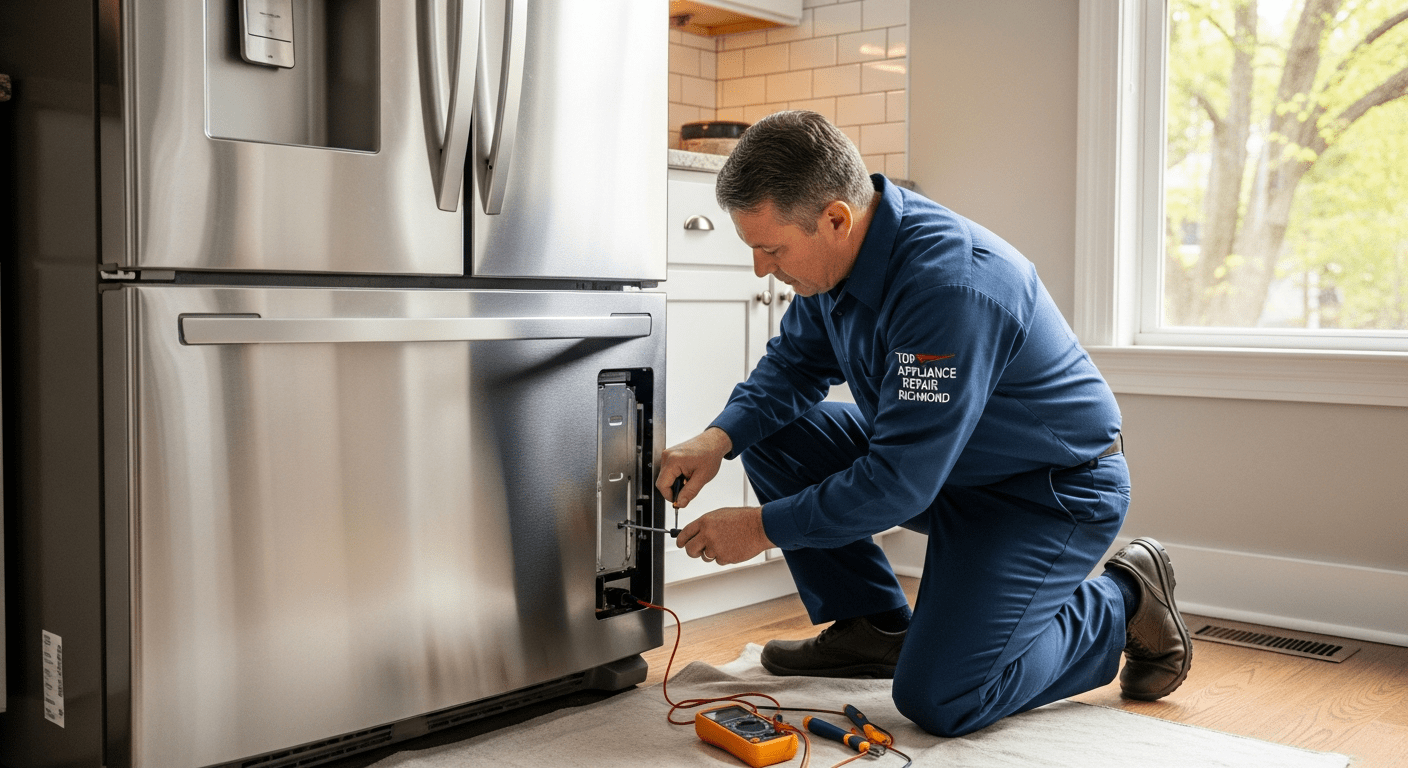
Calculating the True Cost of Repair Versus Replacement
Now that you understand typical appliance lifespans, let’s dig into the financial reality of repair decisions. The math isn’t as straightforward as comparing a repair quote to a new appliance’s price tag – there are hidden costs and long-term implications that can completely change the equation. Richmond appliance repair costs vary dramatically based on the specific problem and appliance type. Most homeowners pay between $200-$300 for refrigerator repairs, while washer repairs can range anywhere from $50 to $450 depending on the issue. Dryer repairs typically fall between $100-$400, and dishwasher fixes usually cost $160-$300. But here’s where it gets interesting: you need to factor in the likelihood of future repairs. If your 8-year-old dishwasher needs a $200 pump replacement, that might seem reasonable compared to spending $800 on a new unit. However, if that same dishwasher will likely need additional repairs within the next two years, you’re looking at potentially $500+ in total repair costs for a machine that’s already past its prime. The replacement calculation includes more than just the appliance price. You’ll need to factor in delivery fees, installation costs, disposal of the old unit, and any necessary modifications to accommodate a new model. A $600 dishwasher might actually cost $850 by the time it’s running in your kitchen. Energy efficiency improvements can offset some replacement costs over time, as newer models often use significantly less electricity and water than units from even five years ago.
Richmond-Specific Cost Considerations
Our local market has some unique characteristics that affect repair decisions. Parts availability can be challenging for certain brands, especially if you need components for European appliances that aren’t commonly serviced in the area. Labor rates in Richmond tend to be reasonable compared to larger metropolitan areas, but scheduling can sometimes be tight during peak seasons. Many Richmond neighborhoods, particularly in areas like the Fan and Museum District, feature older homes with space constraints that can make appliance replacement more complex. If your kitchen barely accommodates your current refrigerator, upgrading to a more efficient model might require additional modifications that push replacement costs higher.
When Repair Makes Perfect Sense
Moving from cost calculations to practical decisions, certain scenarios make repair the obvious choice regardless of appliance age. Understanding these situations can save you from unnecessary replacement expenses and buyer’s remorse. High-end appliances almost always deserve repair consideration, even when repair costs seem steep initially. A $400 repair on a Sub-Zero refrigerator makes perfect sense when replacement would cost $8,000+. Similarly, built-in appliances carry additional replacement complexity that often tips the scale toward repair, since installation of new built-in units frequently requires cabinet modifications. Warranty coverage dramatically changes the repair equation. If your appliance is still under manufacturer warranty, repair becomes essentially free, making it the clear choice regardless of other factors. Even extended warranties purchased through retailers often cover major component failures that would otherwise trigger replacement discussions. Recent purchases deserve repair attempts, even if the specific component failure seems major. An 18-month-old washing machine with a failed transmission might feel like a lemon, but warranty coverage or manufacturer defect programs often apply to these situations. Additionally, newer appliances generally have readily available parts and established repair procedures.
Appliance Age Sweet Spots
The 3-7 year range represents the repair sweet spot for most appliances. Units in this age range have typically passed infant mortality issues but haven’t reached the cascade failure phase where multiple systems start breaking down. A 5-year-old dryer with a failed heating element is almost always worth repairing, since the rest of the machine likely has years of reliable service remaining. Safety-related repairs should always be completed regardless of appliance age, unless the unit has multiple serious issues. A gas range with ignition problems needs immediate attention, and repair costs are almost always justified to maintain household safety.
Clear Replacement Signals
Building on repair scenarios, certain warning signs indicate that replacement is the smarter long-term investment. Recognizing these signals early can prevent you from throwing good money after bad on appliances that are genuinely ready for retirement. Multiple system failures within a short timeframe suggest an appliance is entering its death spiral. If your refrigerator needed a compressor repair six months ago and now requires an evaporator fan replacement, you’re likely looking at a cascade of aging components. Richmond appliance specialists often see this pattern with 10+ year old units where one major repair leads to another within months. Rust, corrosion, or structural damage usually signals the end of an appliance’s useful life. These issues can’t be economically repaired and often indicate that other hidden problems exist. A washing machine with rust inside the tub or a dishwasher with corroded spray arms needs replacement, not repair. Energy inefficiency becomes a replacement factor when monthly utility costs start adding up. Older refrigerators can use 2-3 times more electricity than modern Energy Star models. If your electric bill shows consistent increases despite similar usage patterns, your aging appliances might be the culprit.
The 50% Rule in Practice
Industry professionals recommend replacement when repair costs exceed 50% of a new appliance’s price, especially if the unit is past its expected halfway point. A 7-year-old washing machine needing $350 in repairs when comparable new models cost $600 fails this test and should probably be replaced. 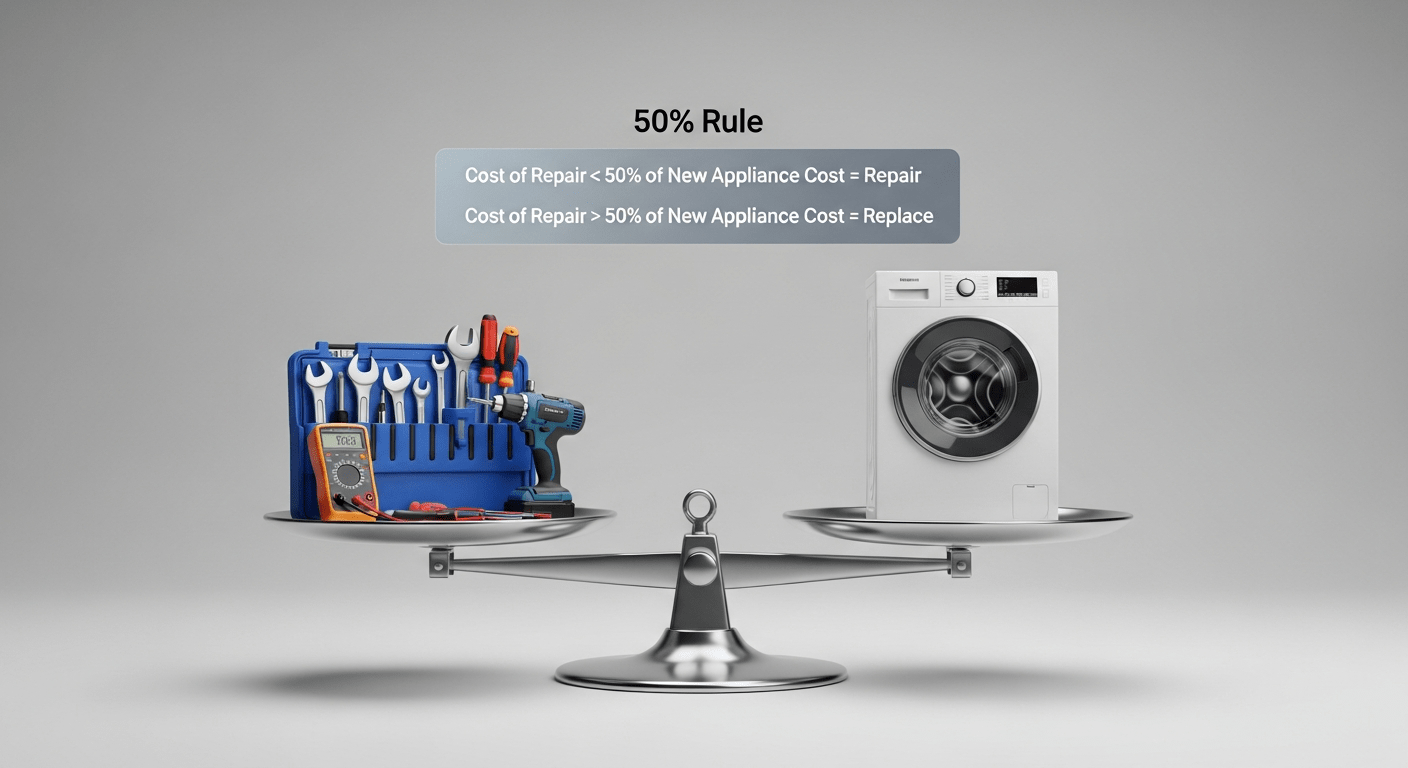 Safety concerns trump all other considerations. Appliances showing signs of electrical issues, gas leaks, or other hazards need immediate replacement. No amount of potential savings justifies risking family safety for an unreliable appliance.
Energy Efficiency and Modern Features
As we consider replacement benefits, energy efficiency improvements in modern appliances can significantly impact the repair-versus-replace decision. These aren’t just environmental considerations – they’re financial factors that can offset replacement costs over time. Modern refrigerators use substantially less energy than models from even five years ago. Energy Star certified units often consume 40-50% less electricity than standard models from the early 2000s. For a household spending $150+ annually on refrigerator electricity costs, upgrading to an efficient model can save $75+ per year in utility bills. Washing machine efficiency improvements are even more dramatic. High-efficiency front-loading washers use approximately 40% less water and 25% less energy than traditional top-loading models. They also extract more water during the spin cycle, reducing dryer time and energy consumption. These savings can add up to $100+ annually for families doing multiple loads weekly. Water-related appliances show some of the most impressive efficiency gains. Modern dishwashers use advanced sensors to optimize water usage based on soil levels, often using 3-4 gallons per cycle compared to 10+ gallons for older models. In Richmond, where water and sewer costs continue rising, these savings become increasingly meaningful.
Smart Technology Integration
Modern appliances offer connectivity features that provide both convenience and efficiency benefits. Smart thermostats in refrigerators can optimize cooling patterns, while connected washing machines allow remote monitoring and energy usage tracking. These features might seem like luxury additions, but they often contribute to long-term operational savings. Some utility companies, including those serving the Richmond area, offer rebates for Energy Star appliances that can offset replacement costs. These programs change periodically, but they can provide $50-200 back on qualifying purchases, making replacement more financially attractive. 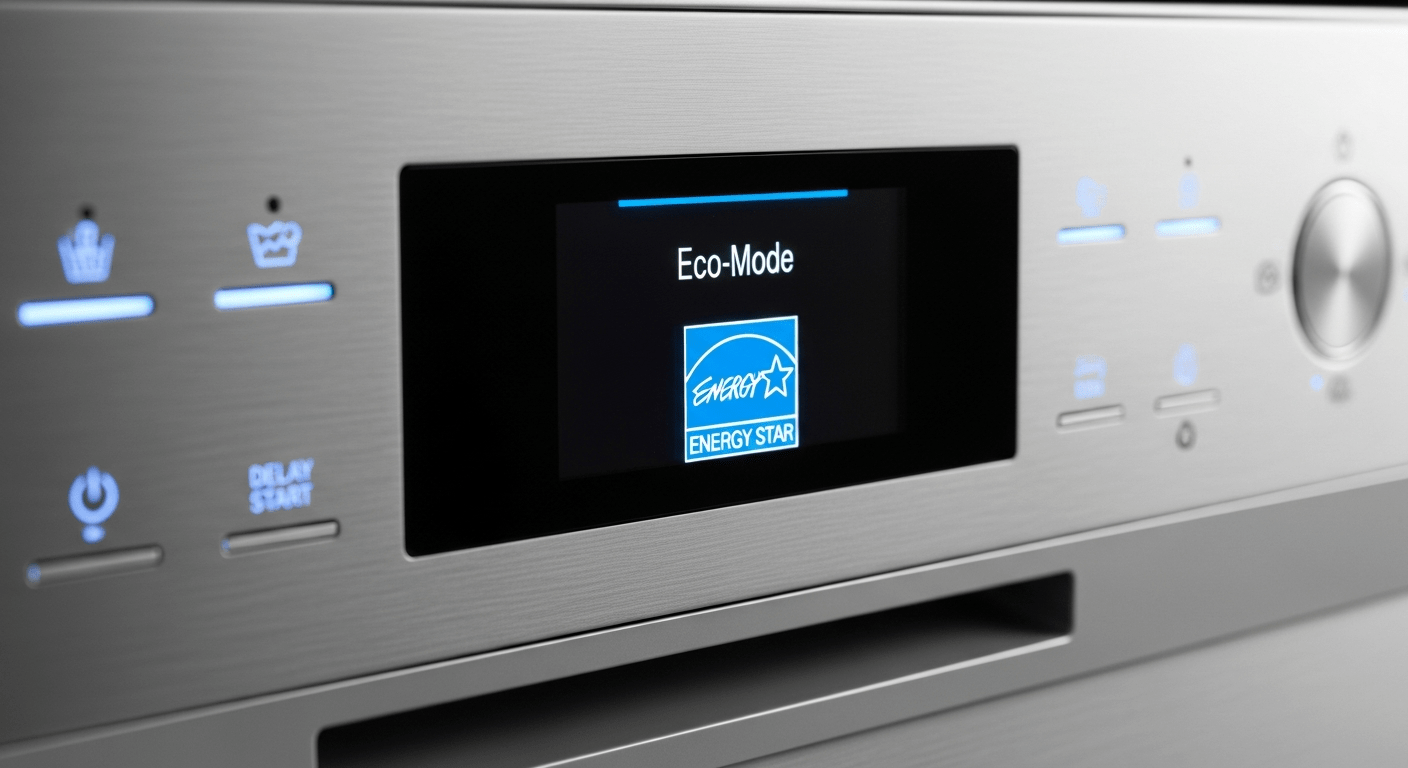
Frequently Asked Questions
What’s the average cost of appliance repair in Richmond compared to replacement?
Richmond appliance repair costs average around $188, but can range from $50 for simple fixes up to $400+ for complex repairs on luxury appliances. Refrigerator repairs typically cost $200-$300, while washer repairs range from $50-$450 depending on the specific issue. When comparing to replacement costs, remember to factor in delivery, installation, and disposal fees, which can add $200-$400 to the purchase price of a new appliance.
How do I know if my appliance is worth repairing or should be replaced?
Use the 50% rule as your starting point: if repair costs exceed 50% of a replacement appliance’s price and your current unit is more than halfway through its expected lifespan, replacement usually makes more sense. Also consider the appliance’s repair history – if you’ve needed multiple repairs in the past year, replacement prevents future frustration and expense. Safety issues like gas leaks, electrical problems, or structural damage always warrant immediate replacement.
Which appliances last longest and are most worth repairing?
Gas ranges typically offer the longest lifespans, often lasting 15+ years with proper maintenance, making them excellent repair candidates throughout most of their lives. High-end brands like Sub-Zero, Wolf, and Viking are built for 20+ year lifespans and almost always worth repairing due to their substantial replacement costs. Conversely, budget microwaves and small appliances often cost nearly as much to repair as replace, making replacement the smarter choice.
Wrapping Up
Smart appliance decisions come down to understanding your specific situation – the appliance’s age, repair history, energy costs, and your household’s needs. Whether you’re dealing with a temperamental washer in Church Hill or a failing refrigerator in Short Pump, the 50% rule provides a solid starting framework, but factor in energy savings, safety concerns, and the total cost of replacement including installation and disposal. When you need expert guidance on appliance repair or replacement decisions in Richmond, Top Appliance Repair Richmond brings years of local experience to help you make the most cost-effective choice. Our technicians provide honest assessments and transparent pricing, ensuring you get the reliable service and practical advice that keeps your household running smoothly without breaking the bank.