Think your Richmond home is safe from fire hazards? Think again – many of the most dangerous appliance-related fire risks are lurking right under your nose, hidden in plain sight throughout your daily routine. Living in Richmond, whether you’re in the historic Fan District or the bustling suburbs of Short Pump, your home should be your sanctuary. But here’s the reality check nobody wants to hear: that cozy space might be harboring some seriously sneaky fire hazards. I learned this the hard way when my neighbor’s seemingly innocent space heater turned their Midlothian living room into a crisp reminder of why we can’t ignore appliance safety. As someone who’s spent way too much time researching home safety (occupational hazard of the home improvement obsession), I’ve discovered that Richmond homeowners face unique challenges when it comes to appliance fire prevention. Our mix of historic homes and modern builds creates a perfect storm of potential electrical issues, outdated wiring, and well-meaning but dangerous heating solutions.
Key Outtakes:
- Winter months see a 46% spike in home heating equipment fires, with space heaters accounting for nearly half of all heating-related fires
- Electrical failures cause over 44,000 house fires annually, often from seemingly minor issues like overloaded outlets and damaged cords
- Richmond’s mix of older and newer homes creates unique fire safety challenges that require proactive prevention strategies
- Simple maintenance habits and proper appliance usage can prevent the majority of appliance-related fires
- Professional inspections and timely repairs are crucial for identifying hidden electrical hazards before they become dangerous
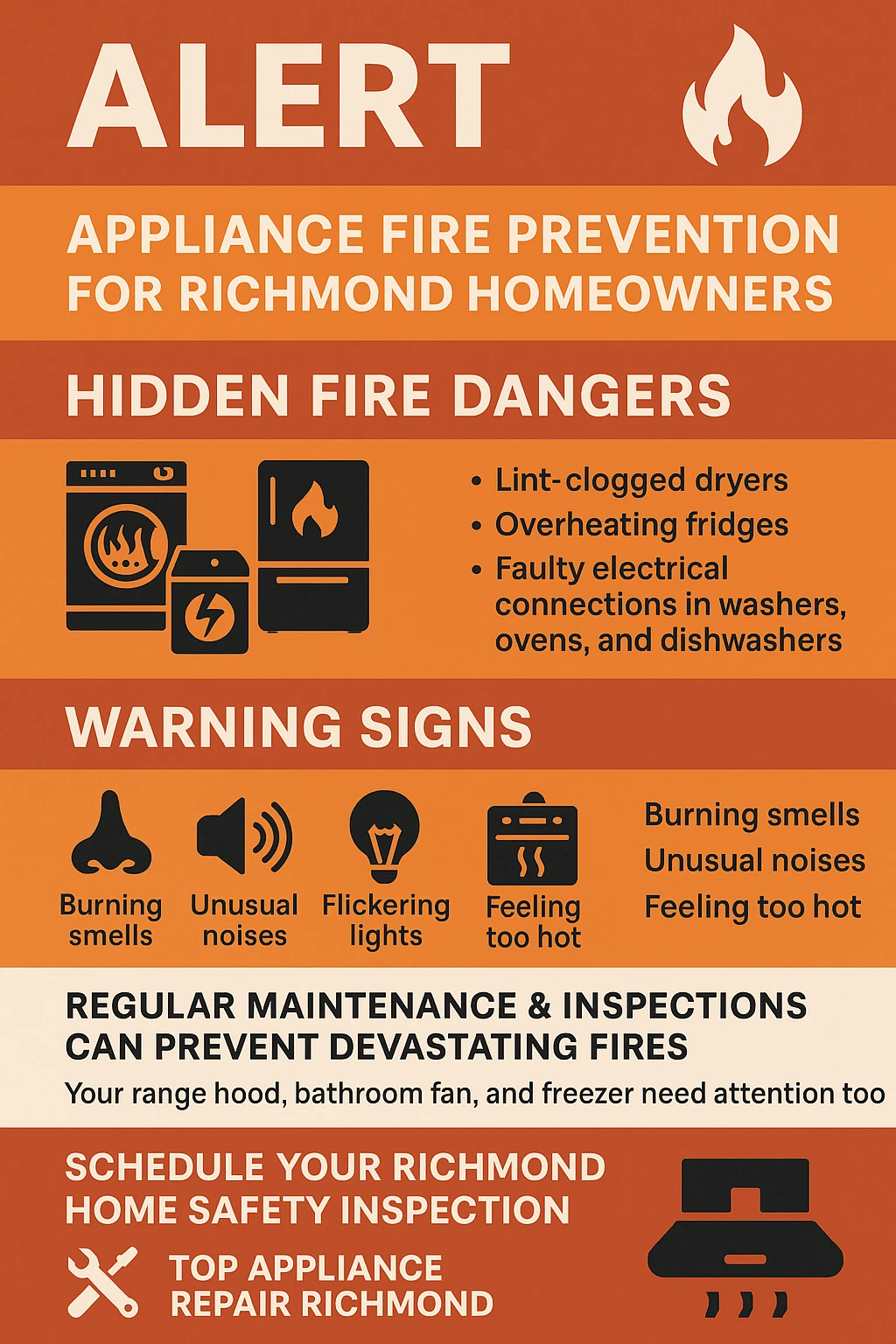
The Hidden Fire Hazards in Richmond Homes
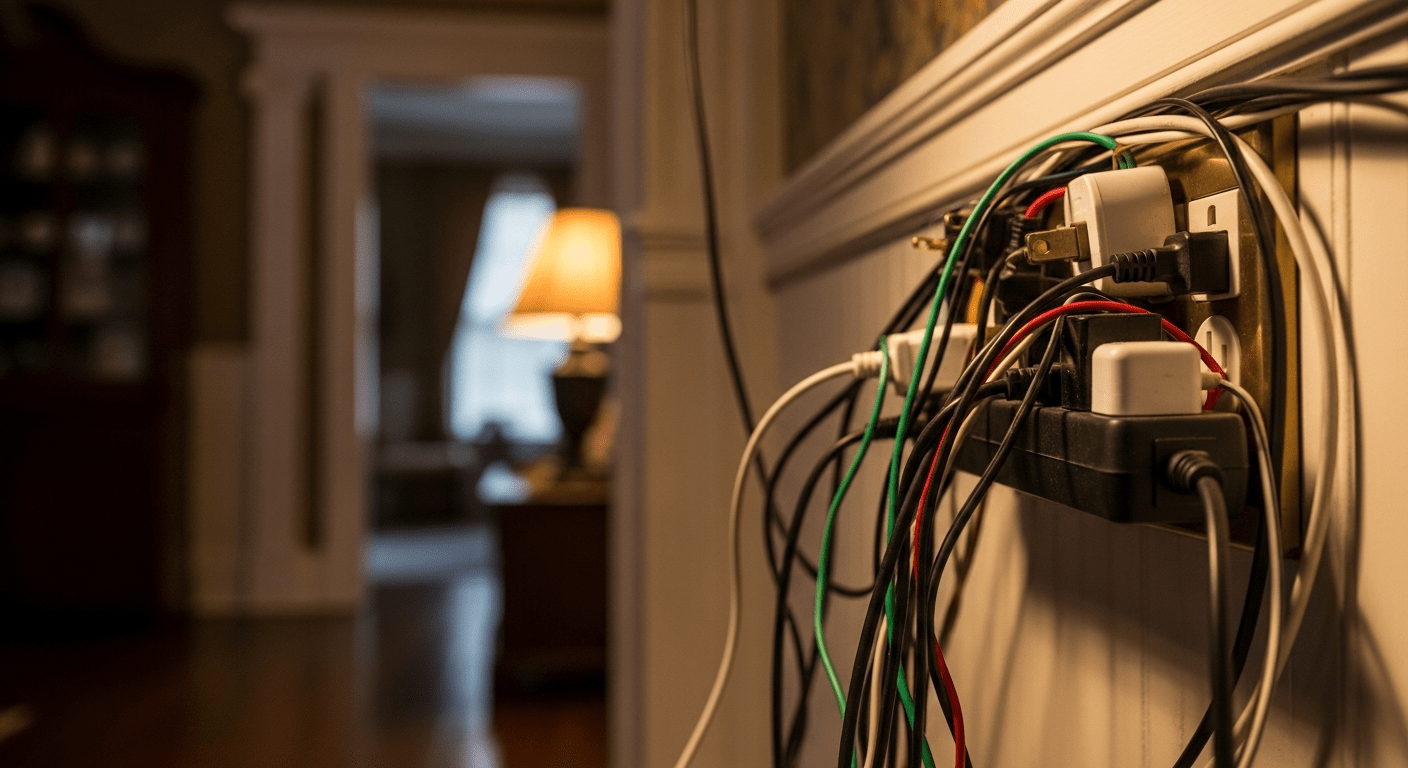
Let me paint you a picture that’s probably way too familiar. It’s a chilly February evening in Richmond, and you’re cranking up that trusty space heater while binge-watching your latest Netflix obsession. Maybe you’ve got your phone charger, laptop cord, and that ancient extension cord all plugged into the same outlet. Sound harmless? According to recent data, this exact scenario contributes to thousands of preventable fires each year. The thing about appliance fire hazards is they’re masters of disguise. That flickering light you keep meaning to check? It could signal loose wiring that’s one spark away from disaster. The warm outlet in your Glen Allen kitchen that you’ve been ignoring? It’s basically your home’s way of waving a red flag. These aren’t just minor inconveniences – they’re your electrical system’s SOS signals.
What makes Richmond particularly vulnerable is our unique housing landscape. From the charming century-old homes in the Museum District to the newer developments in Chesterfield, each presents its own set of challenges. Older homes often struggle with outdated wiring that wasn’t designed for today’s electrical demands, while newer homes can have installation issues or manufacturing defects that aren’t immediately obvious.
Winter Heating Equipment: The Biggest Culprits
Here’s where things get really interesting (and by interesting, I mean terrifying). Moving from general electrical concerns to specific seasonal threats, winter heating equipment becomes the star of the fire hazard show. The statistics don’t lie – nearly half of all home heating fires happen between December and February, and space heaters are involved in a whopping 47% of heating equipment fires. Space heaters might seem like innocent little warming devices, but they’re actually tiny fire-starting machines when used incorrectly. I’ve seen too many Richmond homes where these units are placed way too close to curtains, furniture, or that pile of laundry that ‘temporarily’ lives in the corner. The three-foot rule isn’t just a suggestion – it’s literally the difference between staying warm and calling the fire department.
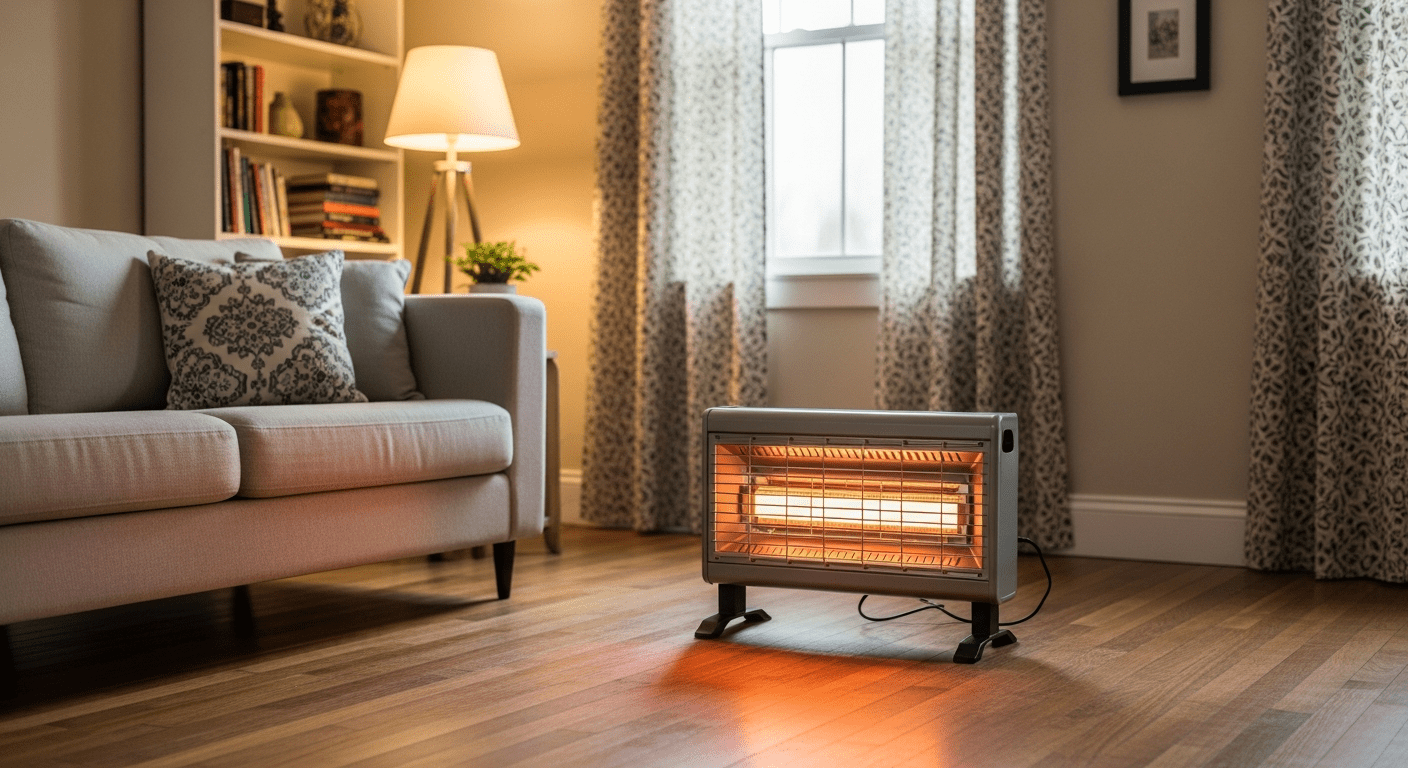
But space heaters aren’t the only winter villains. Fireplaces without proper screens, heating systems that haven’t been maintained, and even electric blankets can turn your cozy Richmond evening into a nightmare. The key is understanding that heating equipment works extra hard during our Virginia winters, and overworked appliances are accident-prone appliances. Your furnace, wood stove, or electric heater needs the same kind of attention you’d give your car before a long road trip. What’s particularly concerning is how many homeowners treat heating equipment as ‘set it and forget it’ appliances. That kerosene heater in your basement workshop needs proper ventilation and the right fuel type. Your fireplace needs annual chimney cleaning. Even your trusty old radiator can develop issues that turn it from a heating helper into a fire hazard.
Carbon Monoxide: The Silent Threat
While we’re talking about heating safety, we can’t ignore carbon monoxide – the silent, odorless killer that tags along with many heating appliances. Faulty heating systems, blocked vents, and improper generator use can fill your home with this deadly gas. Installing CO detectors throughout your Richmond home isn’t just smart; it’s essential for protecting your family during those long winter months when heating systems are running overtime.
Electrical Safety: More Than Just Flickering Lights
Transitioning from heating-specific hazards to broader electrical concerns, the reality is that electrical issues are often the root cause of many appliance fires. It’s easy to dismiss that occasional circuit breaker trip or that outlet that feels slightly warm, but these seemingly minor electrical hiccups can escalate into major safety hazards faster than you can say ‘house fire.’ Overloading outlets has become an epidemic in our device-obsessed world. We’ve all been there – you need to charge your phone, run the coffee maker, and plug in that space heater, all from the same outlet. But here’s the thing: your electrical system wasn’t designed to handle that kind of load, especially in older Richmond homes where the wiring might already be struggling to keep up with modern demands. Extension cords are another major culprit that people treat way too casually. They’re meant for temporary use, not as permanent wiring solutions. Running extension cords under rugs, across doorways, or daisy-chaining them together is like playing electrical Russian roulette. Professional electricians recommend having additional outlets installed rather than relying on extension cords as a long-term solution. Then there’s the issue of damaged electrical cords – those frayed wires on your favorite appliance that you keep meaning to replace. Exposed wiring isn’t just unsightly; it’s a direct path to electrical fires. The same goes for outlets with missing cover plates, switches that spark when flipped, or any electrical component that gives you even the slightest shock.
Warning Signs You Shouldn’t Ignore
Your home is constantly communicating with you about its electrical health, but most people don’t speak ‘house.’ Burning smells from outlets, dimming lights when appliances kick on, frequent breaker trips, and buzzing sounds from electrical panels are all red flags that demand immediate attention. These aren’t issues that get better with time – they get worse, and potentially dangerous.
Kitchen and Cooking Appliance Hazards
Shifting our focus from general electrical concerns to specific room-based risks, the kitchen deserves special attention as the heart of many home fires. Cooking fires account for nearly half of all home fires year-round, and the winter months see an uptick in cooking-related incidents as families spend more time indoors preparing meals and baking holiday treats. The stove and oven are obvious fire risks that most people understand, but there are subtler kitchen appliances that pose significant hazards when neglected or misused. That ancient toaster that sometimes gets stuck? It’s not just annoying – it’s a fire waiting to happen. Food processors with damaged cords, microwaves with faulty door seals, and coffee makers with frayed wiring can all spark kitchen fires. What makes kitchen fires particularly dangerous is how quickly they can spread. Grease fires can explode across cooking surfaces in seconds, while electrical fires from damaged appliances can ignite nearby combustible materials like dish towels, paper towels, and food packaging. The combination of heat sources, electrical appliances, and flammable materials makes the kitchen a perfect storm for fire incidents.

Creating a safe cooking environment means more than just watching your stovetop. It involves maintaining proper clearances around all heat-producing appliances, keeping combustible materials at least three feet away from cooking equipment, and never leaving cooking food unattended. Even that slow-cooking pot roast or baking casserole needs regular check-ins to ensure everything is operating safely.
Small Appliance Safety
Don’t underestimate the fire potential of small kitchen appliances. Toasters, coffee makers, and electric skillets might seem harmless, but they generate significant heat and can malfunction without warning. Regular cleaning, proper placement away from combustible materials, and immediate replacement of damaged units can prevent many kitchen appliance fires.
Preventing Appliance Fires in Your Richmond Home
Moving from identifying problems to implementing solutions, fire prevention is really about developing smart habits and staying proactive about home maintenance. The good news is that most appliance fires are completely preventable with the right approach and a little attention to detail. Regular maintenance is your first line of defense against appliance fires. This means annual inspections of heating systems, monthly testing of smoke and carbon monoxide detectors, and immediate attention to any appliance that’s acting weird. If your dryer is taking longer to dry clothes, your microwave is sparking, or your space heater is making strange noises, don’t ignore these warning signs. Proper usage is equally important. Following manufacturer instructions isn’t just legal fine print – it’s life-saving information. Using the right type of fuel for heating equipment, maintaining proper clearances around heat sources, and never leaving heat-producing appliances unattended are basic safety practices that can prevent tragic fires. Electrical safety deserves special attention in Richmond homes, particularly those in neighborhoods like the Fan or Church Hill where older wiring might not meet current electrical demands. Having a qualified electrician inspect your home’s electrical system can identify potential hazards before they become dangerous. This includes checking for aluminum wiring, outdated electrical panels, and overloaded circuits that could spark fires. Storage safety is another often-overlooked aspect of fire prevention. Keeping flammable materials away from heat sources, storing ashes in metal containers away from your home, and maintaining clear pathways for emergency exits can significantly reduce fire risks. Your basement storage area or garage workshop might seem like convenient places to store everything, but they shouldn’t become fire hazard collection points.
Frequently Asked Questions
What are the most common appliance fire hazards during Richmond winters?
Space heaters top the list of winter fire hazards, responsible for nearly half of all heating equipment fires. Overloaded electrical outlets from increased indoor device usage, fireplaces without proper maintenance, and heating systems that haven’t been professionally inspected also pose significant risks. The combination of increased electrical demands and heavy heating system usage creates a perfect storm for appliance-related fires during Richmond’s colder months.
How can I tell if my electrical outlets are overloaded?
Warning signs of overloaded outlets include warm or hot outlet covers, flickering lights when appliances are plugged in, frequent circuit breaker trips, and a burning smell around electrical components. If you’re using multiple extension cords or power strips to accommodate your electrical needs, you’re likely overloading your system. Professional electricians recommend having additional outlets installed rather than relying on temporary solutions that can create fire hazards.
When should I replace old appliances for safety reasons?
Replace appliances immediately if they have damaged cords, produce sparks, give electrical shocks, or emit burning odors. Age alone isn’t always the determining factor, but appliances over 10-15 years old should be inspected more frequently for safety issues. Any appliance that doesn’t function properly or shows signs of electrical problems should be replaced rather than repaired, as the cost of potential fire damage far exceeds replacement costs.
Wrapping Up
Fire safety isn’t something you can set and forget – it requires ongoing attention and proactive maintenance to keep your Richmond home safe. From the obvious culprits like space heaters and overloaded outlets to the sneaky hazards hiding in your kitchen appliances and aging electrical systems, staying vigilant about appliance fire prevention is one of the most important investments you can make in your family’s safety. When it comes to keeping your Richmond home safe from appliance fire hazards, Top Appliance Repair Richmond is here to help with professional inspections, maintenance, and repairs for all your household appliances. Our experienced technicians understand the unique challenges facing Richmond homeowners and can identify potential fire hazards before they become dangerous, ensuring your appliances operate safely and efficiently year-round.