Ever wonder why that brand-new dishwasher is flooding your kitchen floor or why your expensive refrigerator sounds like a freight train? The truth is, most appliance disasters in Richmond homes aren’t caused by faulty products – they’re the result of installation mistakes that could have been easily avoided. Picture this: you’ve just dropped serious cash on that dream kitchen setup, only to discover three months later that your “professional” installation has turned into a homeowner’s nightmare. I’ve seen it happen way too often in neighborhoods from Glen Allen to Midlothian, where excited homeowners become frustrated repair customers faster than you can say “warranty void.” The reality is that appliance installation in the Richmond area has become a bit like that pop fly ball that lands between three fielders – nobody wants to take responsibility, and homeowners end up paying the price. The installation game has changed dramatically over the past few years, and not always for the better. What used to be a straightforward process handled by experienced technicians has morphed into a confusing web of subcontractors, rushed timelines, and finger-pointing when things go wrong.
Key Outtakes:
- Improper electrical connections are the leading cause of appliance failures and safety hazards in Richmond homes
- Water line installation mistakes can cause thousands of dollars in flood damage to your property
- Skipping proper ventilation requirements leads to fire hazards and voided warranties
- Using unqualified installers often costs homeowners more in repairs than professional installation would have cost upfront
- Most installation-related problems become apparent within the first 90 days but may not be covered under standard warranties
The Real Cost of Installation Shortcuts
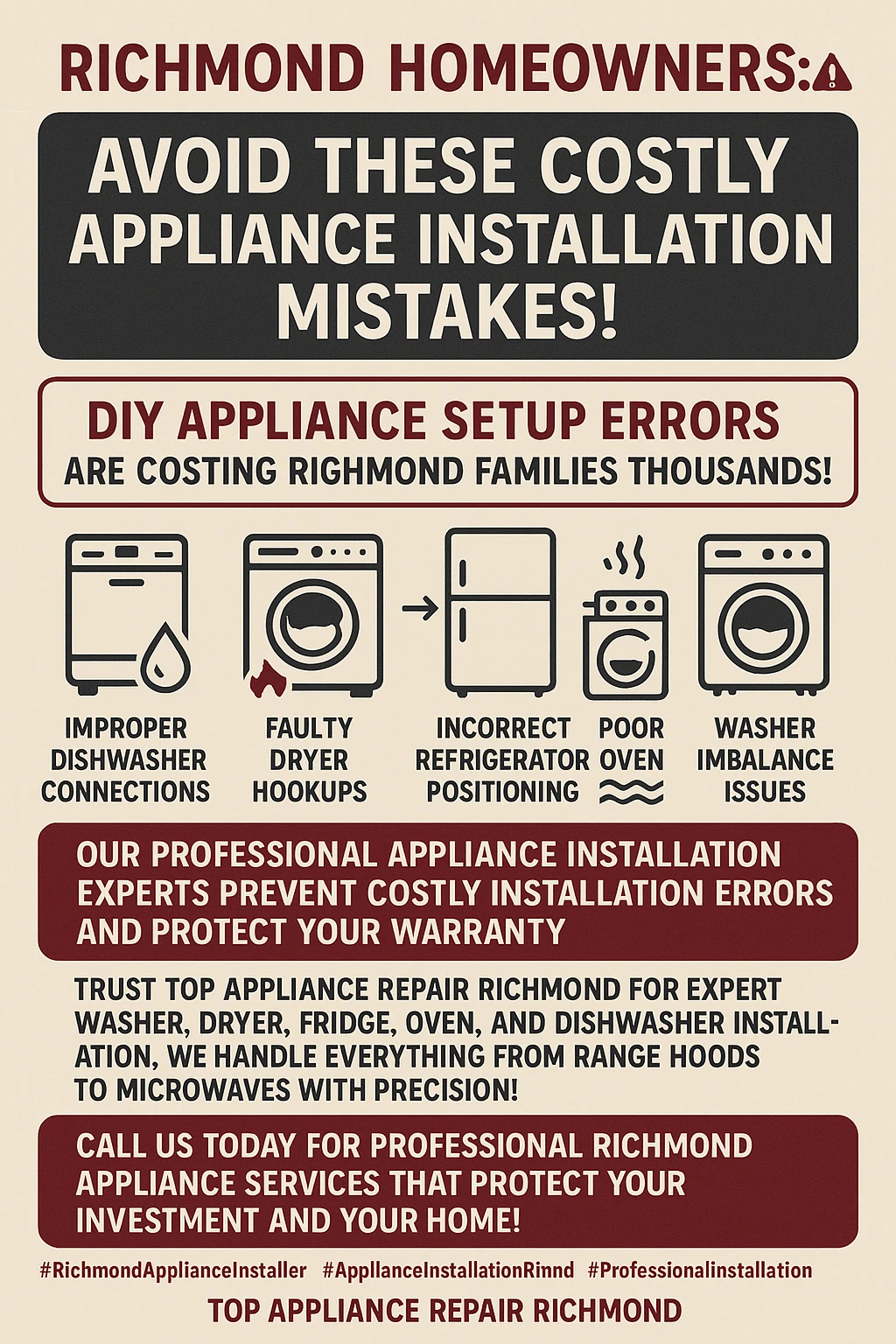
Let’s talk about what’s really happening behind the scenes when your new appliances get installed. The biggest issue I’m seeing across Richmond isn’t necessarily the quality of the appliances themselves – it’s the race-to-the-bottom mentality that’s taken over the installation industry. Too many homeowners are getting burned by installers who prioritize speed over safety, and the consequences can be devastating. The math is pretty sobering when you break it down. A professional dishwasher installation might cost you $200-300, but I’ve seen installation mistakes lead to repair bills exceeding $5,000 when water damage gets involved. That’s not even counting the headache of dealing with insurance claims, temporary housing, or the stress of having your kitchen torn apart for weeks. What makes this even more frustrating is how preventable most of these disasters are. The majority of installation-related failures stem from three main categories: electrical shortcuts, improper water connections, and inadequate ventilation. 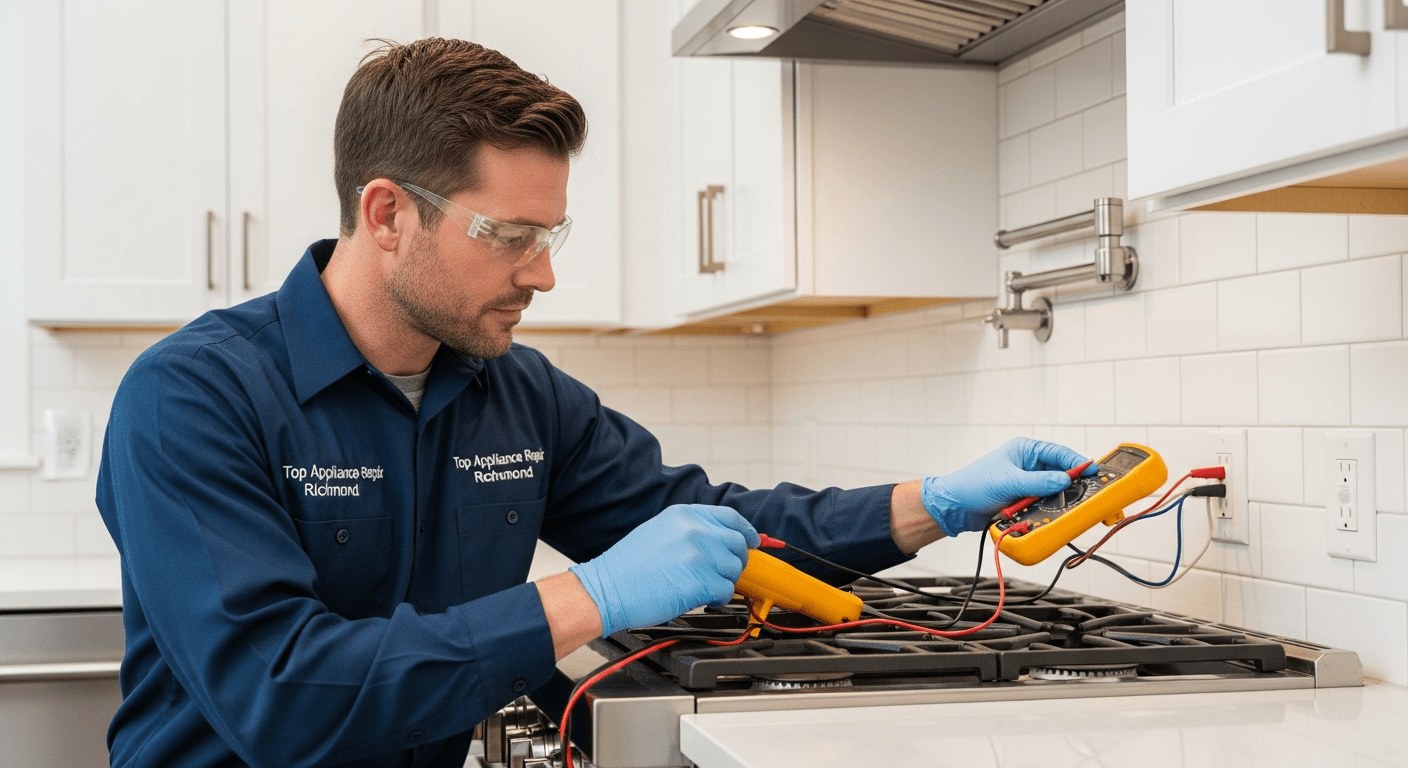 These aren’t complex engineering challenges – they’re basic safety protocols that get skipped when installers are rushing through jobs or simply don’t have the proper training.
Electrical Installation Disasters That Pack a Punch
Building on the foundation of these installation challenges, electrical mistakes represent some of the most dangerous and expensive problems Richmond homeowners face. I can’t stress enough how critical proper electrical work is – we’re not just talking about appliances that don’t work, we’re talking about genuine safety hazards that can put your family at risk. The most common electrical mistake I see is installers connecting appliances to circuits that can’t handle the load. Your new induction cooktop might need a dedicated 40-amp circuit, but some installers will just hook it up to whatever’s convenient, creating a fire hazard that might not show symptoms for months. National Safety Council data shows that home appliance injuries have increased dramatically, with many incidents traced back to improper electrical installations that create dangerous conditions over time. Another major issue is grounding problems, especially in older Richmond homes where electrical systems haven’t been updated. Modern appliances require proper grounding for safety, but cutting corners on this can lead to electrocution risks and equipment damage. I’ve seen installers skip GFCI protection requirements, use undersized wiring, or fail to install proper disconnect switches – all violations that put your home and family at risk. The frustrating part is that homeowners often don’t discover these problems until it’s too late. Your range might work perfectly for six months before a surge causes a fire, or your dishwasher might seem fine until someone gets shocked touching the metal exterior. These aren’t theoretical risks – they’re real dangers that proper installation protocols are specifically designed to prevent.
Water Line Catastrophes That Flood Your Budget
Moving from electrical hazards to plumbing disasters, water line installation mistakes are probably the fastest way to turn your appliance upgrade into a financial catastrophe. What starts as a simple dishwasher or refrigerator installation can quickly become a major home renovation project when water gets where it shouldn’t be. The biggest culprit here is improper connection techniques, particularly with newer compression fittings and push-to-connect systems. These can seem foolproof, but they require specific installation procedures that many installers either don’t know or choose to skip. I’ve seen cases where installers used the wrong type of fittings for the water pressure, failed to properly seat connections, or used incompatible materials that break down over time. Supply line issues are just as problematic as drain connections. Refrigerators with ice makers and water dispensers need proper water line installation, but I’ve seen installers use incorrect tubing, create kinks that restrict flow, or fail to secure lines properly. The result is either immediate leaks or time-bomb situations where connections fail months later, often while you’re on vacation. Water damage claims in the Richmond area have increased significantly, with appliance-related flooding becoming one of the top causes of homeowner insurance claims. Don’t even get me started on dishwasher drain hose installations. There’s a specific way these need to be routed to prevent backflow and ensure proper drainage, but shortcuts here can lead to standing water, mold growth, and structural damage that extends far beyond the kitchen. The proper high-loop or air-gap installation isn’t just a recommendation – it’s required by code for good reason. 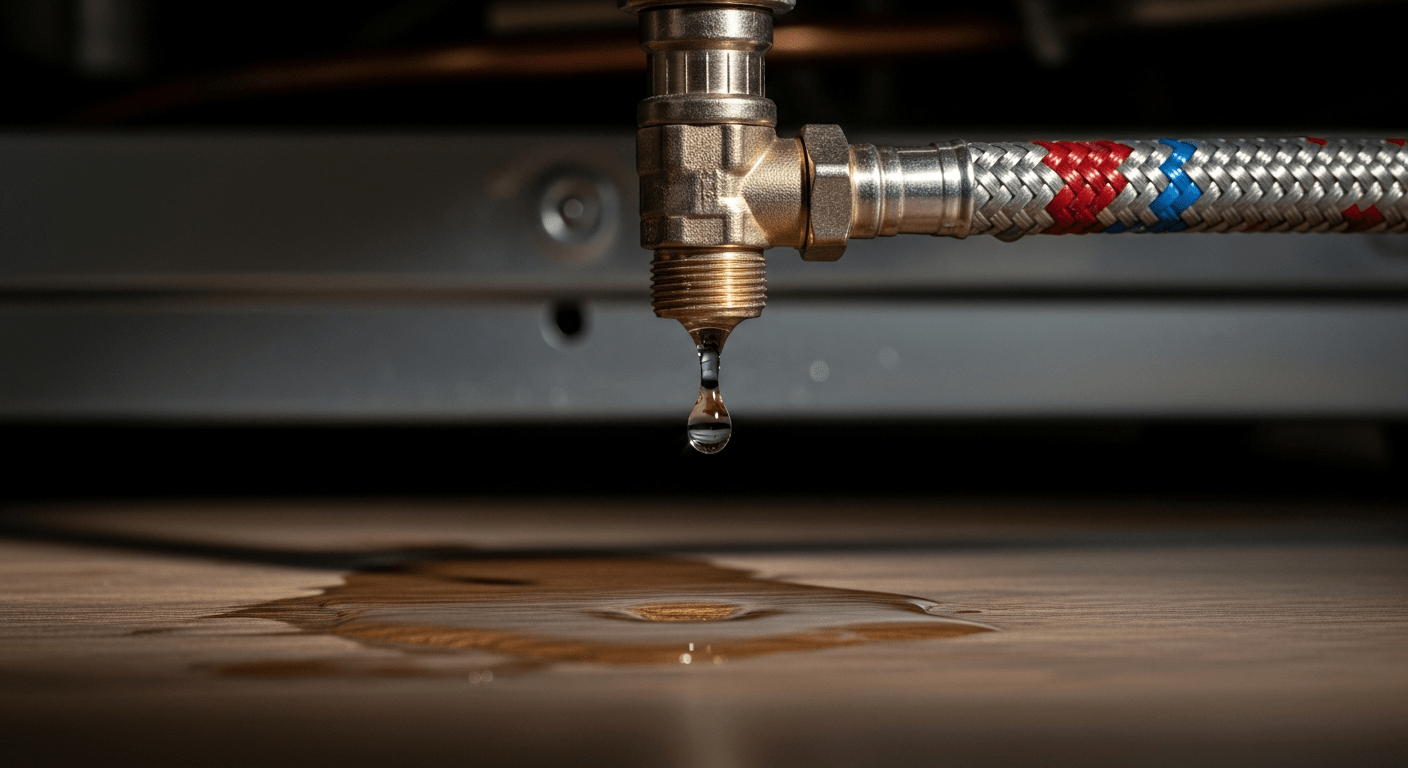
Ventilation Failures That Create Fire Hazards
Transitioning from water disasters to fire risks, ventilation mistakes represent another category of installation failures that can have serious consequences for Richmond homeowners. This is particularly relevant for appliances like dryers, range hoods, and gas appliances that require proper airflow to operate safely. Dryer vent installation is where I see the most dangerous shortcuts. Installers will use flexible plastic ducts instead of rigid metal, create unnecessary turns that restrict airflow, or fail to properly seal connections. The result is lint buildup that creates a genuine fire hazard – home heating equipment causes an estimated 52,000 fires annually, with improper installation being a major contributing factor. In neighborhoods like Short Pump and Chesterfield, I’ve seen cases where dryer fires spread because venting wasn’t installed according to manufacturer specifications. 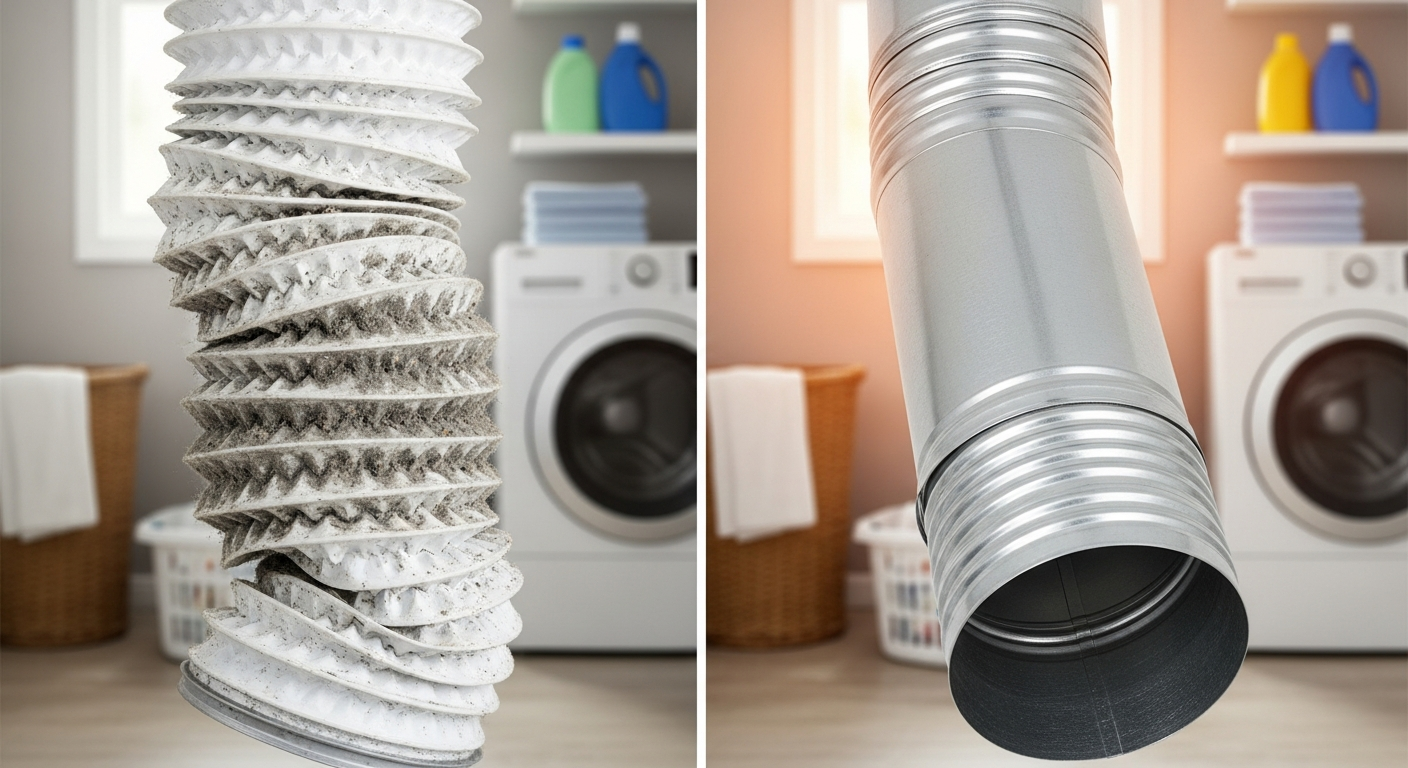 Gas appliance ventilation is even more critical because we’re dealing with carbon monoxide risks. Range hoods need to move specific amounts of air to safely remove combustion byproducts, but installers sometimes connect them to undersized ducts or fail to provide adequate makeup air. This creates negative pressure situations that can cause dangerous backdrafting, pulling carbon monoxide into your living space instead of venting it outside. Over-the-range microwave installations are another common problem area. These units often include exhaust functions, but improper ducting or using recirculating mode when external venting is required can lead to moisture problems, grease buildup, and inadequate air quality. The installation might look fine from the outside, but if it’s not moving air properly, you’re not getting the safety benefits you paid for.
The Hidden Dangers of DIY and Unqualified Installers
Following the pattern of installation failures we’ve discussed, the choice of who actually does the work often determines whether you’ll have a successful installation or a disaster waiting to happen. The proliferation of unqualified installers and the DIY culture has created a perfect storm of problems that Richmond homeowners are dealing with every day. YouTube University has convinced a lot of people that appliance installation is simpler than it really is. While I’m all for homeowner empowerment, there’s a big difference between changing a light fixture and installing a 240-volt electric range. The confidence that comes from watching a few videos often doesn’t account for the specific challenges your home presents – things like outdated wiring, non-standard plumbing configurations, or local code requirements that vary between Richmond city and surrounding counties. The contractor marketplace apps have made things even more complicated. You might get a great installer, or you might get someone who’s handy with basic tasks but has never installed the specific type of appliance you bought. I’ve seen situations where the installer showed up without the right tools, didn’t understand the manufacturer’s requirements, or simply improvised solutions that looked fine but violated safety codes. The rating system on these apps doesn’t always catch installation quality issues that won’t show up for months. Even some “professional” installation services cut corners to stay competitive. They’ll send teams that are more focused on volume than quality, rushing through installations without proper testing or cleanup. The result is installations that might pass a quick visual inspection but fail when put under real-world stress. This is particularly problematic with big-box store installation services, where the installers are often subcontractors with varying levels of experience and accountability.
Frequently Asked Questions
How can I tell if my appliance was installed correctly?
The best way to verify proper installation is to check that all safety requirements are met and the appliance operates as intended. Look for proper electrical connections with appropriate circuit protection, secure water line connections without leaks, and adequate ventilation clearances. You should also verify that the installer followed manufacturer specifications and obtained any required permits. If you have doubts, consider having a qualified technician perform an inspection within the first few weeks after installation.
What should I do if I discover an installation mistake months later?
Document the issue immediately with photos and contact the original installer if possible. Many installation problems aren’t covered by appliance warranties since they’re considered improper use rather than product defects. Check if your installer carried insurance that might cover correction work or resulting damage. If the mistake creates a safety hazard, shut off the appliance and have it inspected by a qualified professional before using it again.
Are appliance installation mistakes covered by homeowner’s insurance?
Coverage depends on your specific policy and the nature of the damage. Most homeowner’s insurance policies cover sudden and accidental damage (like water from a burst connection) but exclude damage from improper installation or maintenance. The key is whether the damage was sudden or gradual – slow leaks that cause damage over time are often not covered. Review your policy and consider documenting proper installation to support any future claims.
Wrapping Up
The reality is that appliance installation mistakes are completely preventable, but they’re costing Richmond homeowners thousands of dollars in repairs and creating genuine safety hazards. From electrical fires to water damage, these problems often stem from choosing installers based on price rather than qualifications, or attempting DIY installations without understanding the complexity involved. The smart approach is to invest in proper installation from the start – it’s always cheaper than dealing with the consequences of shortcuts. When you need reliable appliance installation or repair services in the Richmond area, Top Appliance Repair Richmond brings the experience and attention to detail that prevents these costly mistakes. Our certified technicians understand local codes, manufacturer requirements, and proper safety protocols to ensure your appliances are installed correctly the first time, giving you peace of mind and protecting your investment for years to come.